
The U.S. End FGM/C Network
“Uniting Together Against FGM/C”
Trigger Warning: Child abuse, graphic images, gender based violence, physical trauma, raw survivor stories
Their story
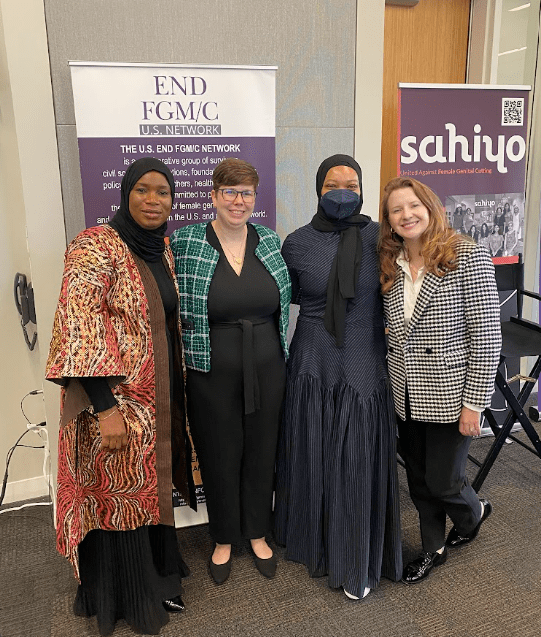
The U.S. End FGM/C Network was created to address a serious and often hidden form of child abuse and gender-based violence in the United States.
The Network brings together more than 200 members, including survivors, healthcare workers, community groups, and legal professionals.
They describe female genital mutilation and cutting as a violent way to control women’s bodies.
To make lasting change, the Network, which puts survivors at the center, works on both local and global policy reforms. They have led efforts to pass state bans and strengthen legal protections for the estimated half-million girls at risk in the U.S.
Instead of focusing only on criminal penalties, the Network works to change social attitudes by supporting community prevention programs, training educators, and sharing global data.
By helping survivors access care that respects their cultural backgrounds, the Network provides a national safety net. Their work helps protect young girls and gives women the support they need to take back control of their bodies and lives.
What is FGM/C?
Female genital mutilation/ circumcision refers to procedures involving the partial or total removal of the external female genitalia or other injury to the female genital organs for non-medical reasons.
The Cold Reality
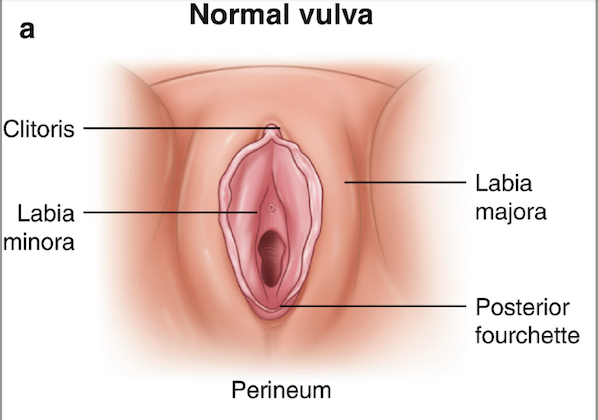
To fully comprehend the gravity of this practice, we must first establish a clear understanding of healthy female anatomy.
A healthy, unaltered vulva consists of distinct, natural structures designed for protection and sensation.
The outer labia majora and inner labia minora act as shields to protect the urethral and vaginal openings from infection and trauma.
The clitoris serves as the primary center of sensory pleasure, packed with thousands of nerve endings.
At the base, the posterior fourchette and the muscular perineum provide the essential elasticity needed to support pelvic organs, direct urinary flow, and expand naturally during intimacy and childbirth.
The World Health Organization recognizes four major categories;
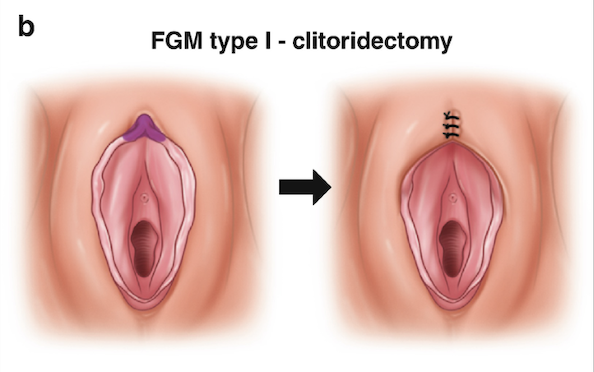
Type I, known as clitoridectomy, involves partial or total removal of the clitoral glans and the clitoral hood.
Type II, or excision, removes the clitoral glans and labia minora, sometimes including the labia majora.
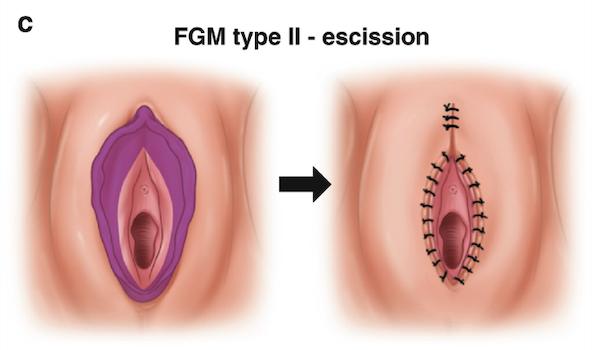
Type III, infibulation, is the most severe and involves narrowing the vaginal opening by cutting and repositioning the labia minora or majora, often with stitching, to leave only a small opening for urine and menstrual blood.
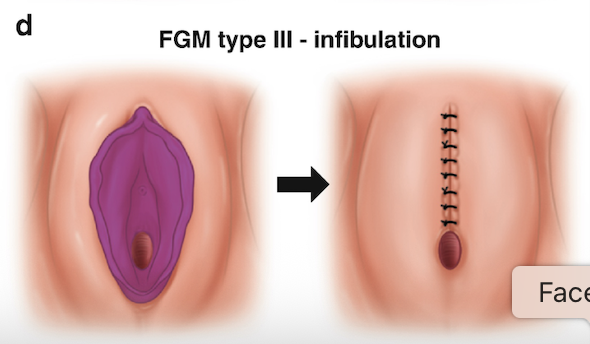
Type IV encompasses all other harmful procedures to the female genitalia for non-medical purposes, such as pricking, piercing, incising, scraping, and cauterizing.
The Demographics: From Infants to Adolescents
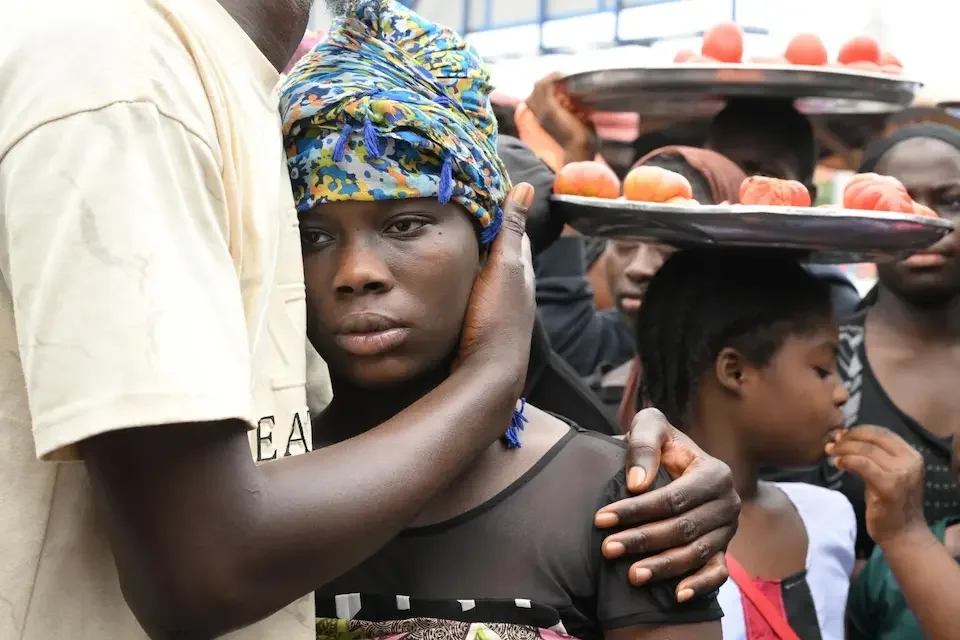
FGM/C is commonly assumed to be a ritual practiced on adolescents entering adulthood, but the reality is far different.
The procedure is overwhelmingly inflicted on children too young to resist or consent, with the vast majority of cases occurring between infancy and age 15.
In some regions, it is deliberately performed on infants just days or months old, with practitioners justifying the practice on the grounds that young children won't remember the trauma and that wounds heal faster at that age.
For girls cut around age 12, the procedure serves as a tool of extreme social control. It is used to ensure compliance, preserve what communities deem as "purity" for marriage prospects, and strip girls of sexual autonomy before they reach adulthood.
The Tools and the Execution


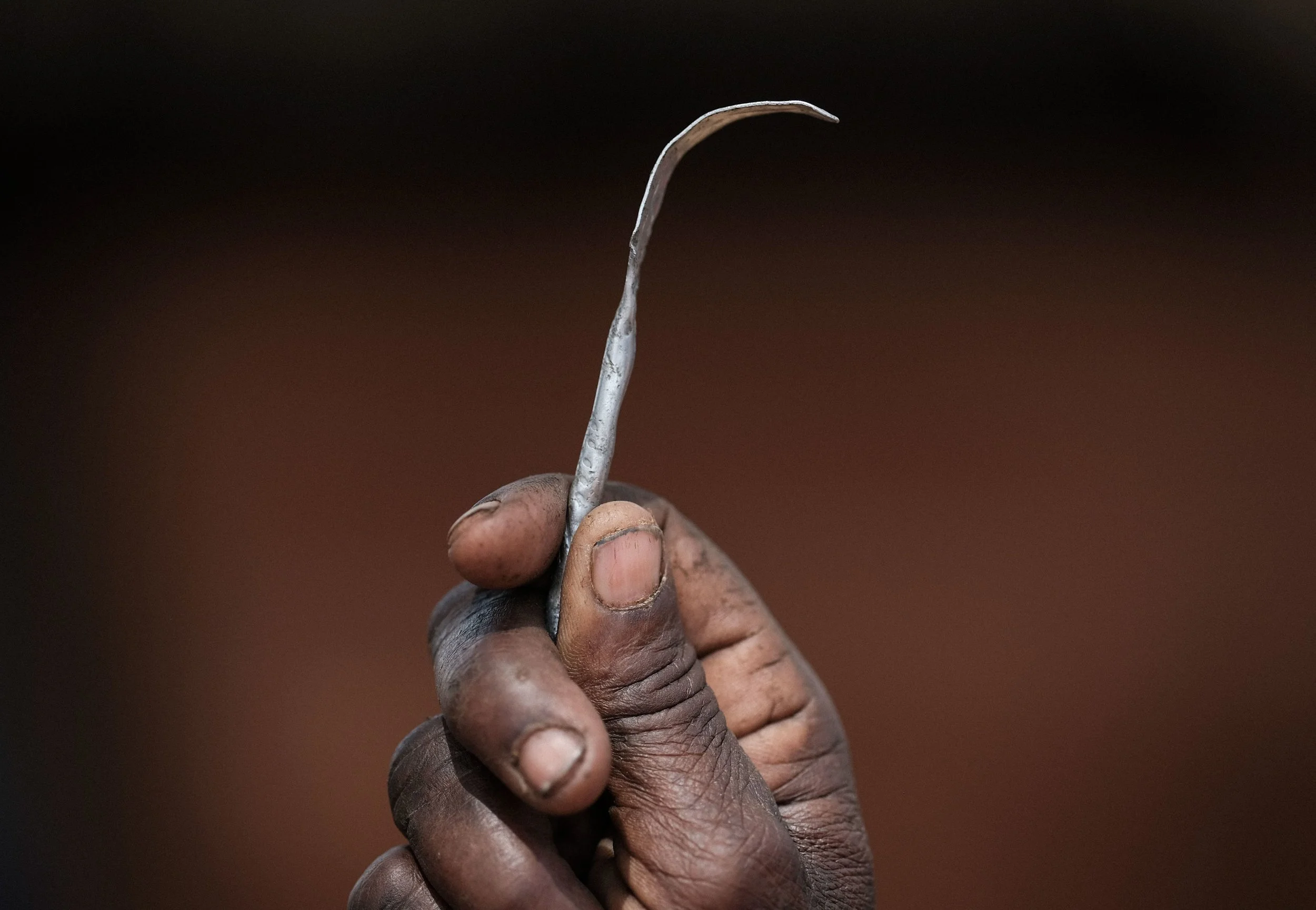
Because this practice is rooted in patriarchal control rather than clinical care, the execution is frequently brutal and unsterilized.
In traditional settings, older women in the community, known as traditional circumcisers, perform the cutting using crude, unsterilized tools such as razor blades, kitchen knives, shards of glass, scissors, or sharpened tin cans.
The procedure is almost universally performed without anesthesia or pain management. Children are forcibly held down by multiple adult women from their community or family during the process.
In modern times, a concerning trend called "medicalization" has emerged, where trained healthcare professionals perform FGM/C in clinics using surgical tools. This represents a severe violation of medical ethics.
Regardless, using proper instruments in a clinical setting does not make the practice any less of a human rights violation, nor does it reduce the long-term psychological and physical harm inflicted on survivors.
History and Deep-Seated Misconceptions
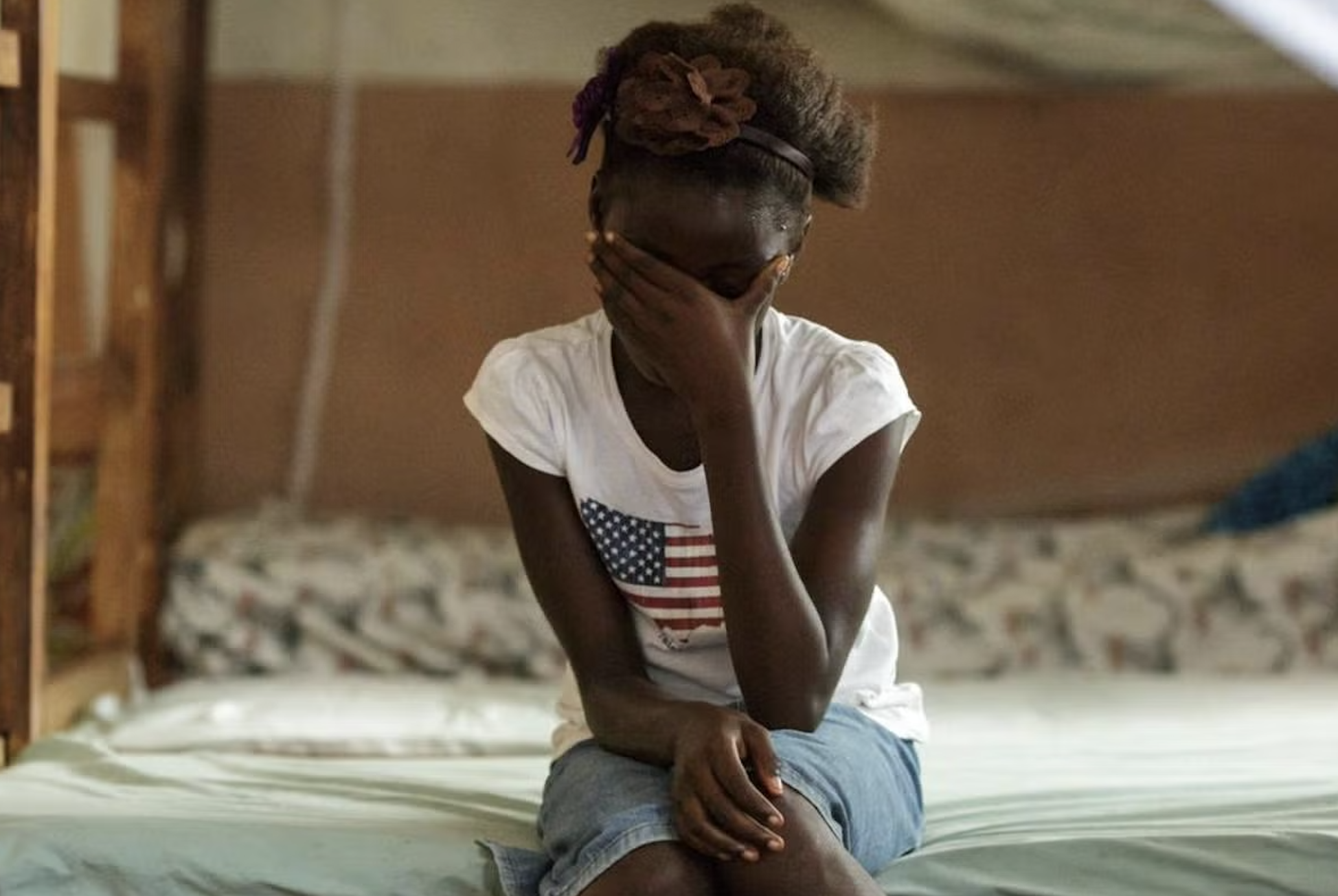
FGM/C is an ancient practice that predates both Islam and Christianity, with evidence tracing it back over 2,000 years to mummies in ancient Egypt.
Historically, it appeared across various continents, including in 19th-century Europe and the United States, where it was marketed as a pseudo-medical treatment for hysteria, masturbation, and psychological distress in women.
Understanding how this practice persists requires examining the myths that shield it from eradication.
One pervasive misconception is that FGM/C is religiously mandated. Neither the Quran nor the Bible commands or requires female genital mutilation; it is purely a cultural and patriarchal tradition that has falsely weaponized religious scripture to justify its survival.
Another myth centers on false claims of hygiene and aesthetics. In practicing communities, uncut genitalia are stigmatized as dirty, masculine, ugly, or wild.
FGM/C is believed to ensure cleanliness, fidelity, and the preservation of family honor, despite these claims having no basis in medical or biological reality.
Life-long Health Complications

The physical and psychological consequences of FGM/C are permanent and devastating, accumulating across a woman's entire lifespan.
Immediate risks include fatal hemorrhage from the severing of highly vascularized tissue such as the clitoral artery, neurogenic shock from extreme pain leading to cardiovascular collapse and death during the procedure, and acute infection or tetanus caused by unsterilized tools and traditional applications like ash or dung to stop bleeding, often resulting in fatal sepsis.
Chronic complications extend far beyond the initial procedure. For infibulated women, the tiny vaginal opening forces urine and menstrual blood to escape slowly, causing chronic, painful urinary tract infections, kidney damage, and the formation of toxic cysts.
Childbirth becomes a medical catastrophe. The scarred, inelastic tissue cannot stretch during labor, leading to obstructed labor, severe perineal tearing, life-threatening hemorrhages for the mother, and a dramatic increase in neonatal death and stillbirths. Obstetric fistulas, tears between the vagina and bladder or rectum, frequently develop, causing continuous leakage of waste and severe social ostracism.
Chronic pelvic infections scar the fallopian tubes, leading to permanent infertility, while sexual intercourse becomes an exercise in excruciating physical pain rather than intimacy.
Survivors also carry profound psychological scars, including severe post-traumatic stress disorder, chronic anxiety, major depressive disorders, and a lasting sense of betrayal by the caregivers who participated in their harm.
A Crime Against Humanity
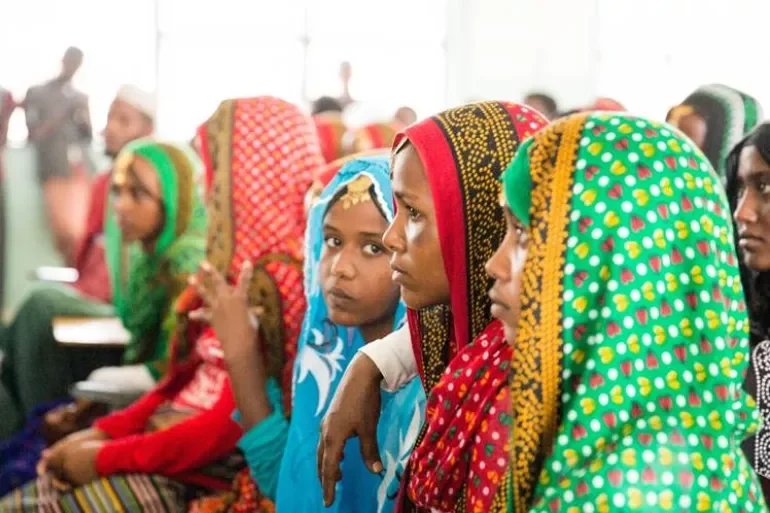
FGM/C constitutes a crime against humanity and a severe form of child abuse, a classification upheld by international bodies including the United Nations, the World Health Organization, and Amnesty International.
The practice violates fundamental human rights: the right to health, security, and physical integrity, the right to be free from torture and cruel, inhuman, or degrading treatment, and the right to life when procedures result in death.
At its core, FGM/C represents the systematic destruction of the safety and biology of innocent young girls to preserve a toxic architecture of control. It is a direct assault on human dignity and bodily autonomy, one that no cultural justification can legitimize.
While female genital mutilation is often mistakenly dismissed as a distant, global issue, the stark reality is that an estimated 500,000 women and girls are currently impacted by or at risk of this practice within the United States. This hidden form of domestic child abuse continues to occur behind closed doors across our own nation, necessitating urgent local legislative action, community-led prevention, and specialized trauma care to protect vulnerable minors.
Trigger Warning: Content contains graphic first-hand descriptions of childhood violation, systemic abuse, and explicit survivor testimony.
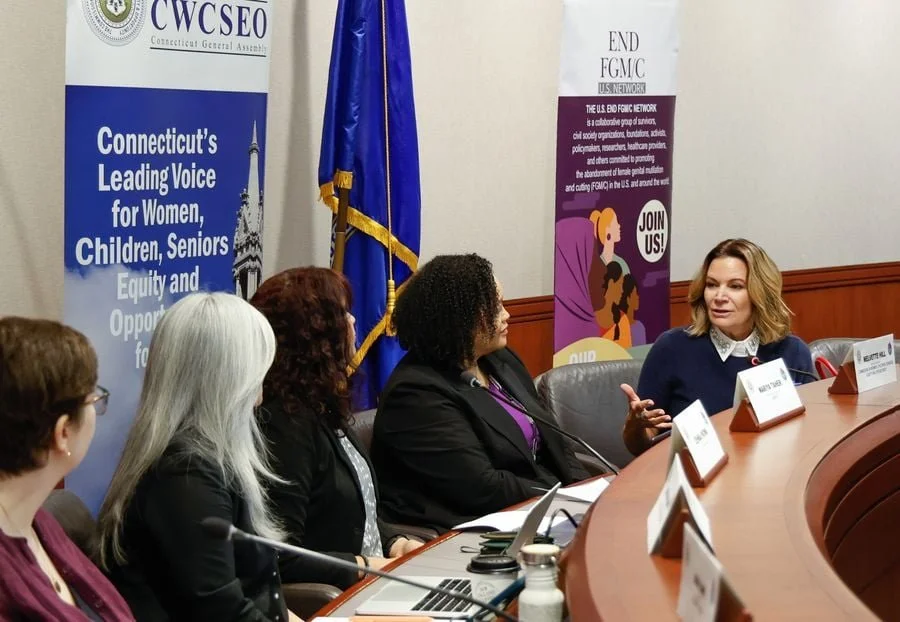
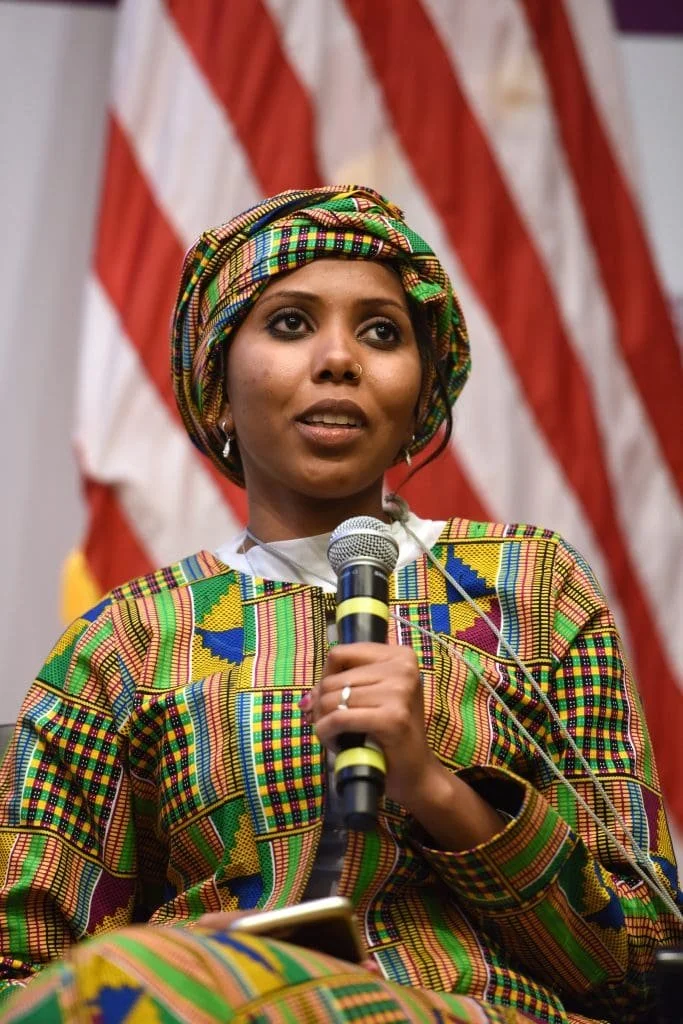
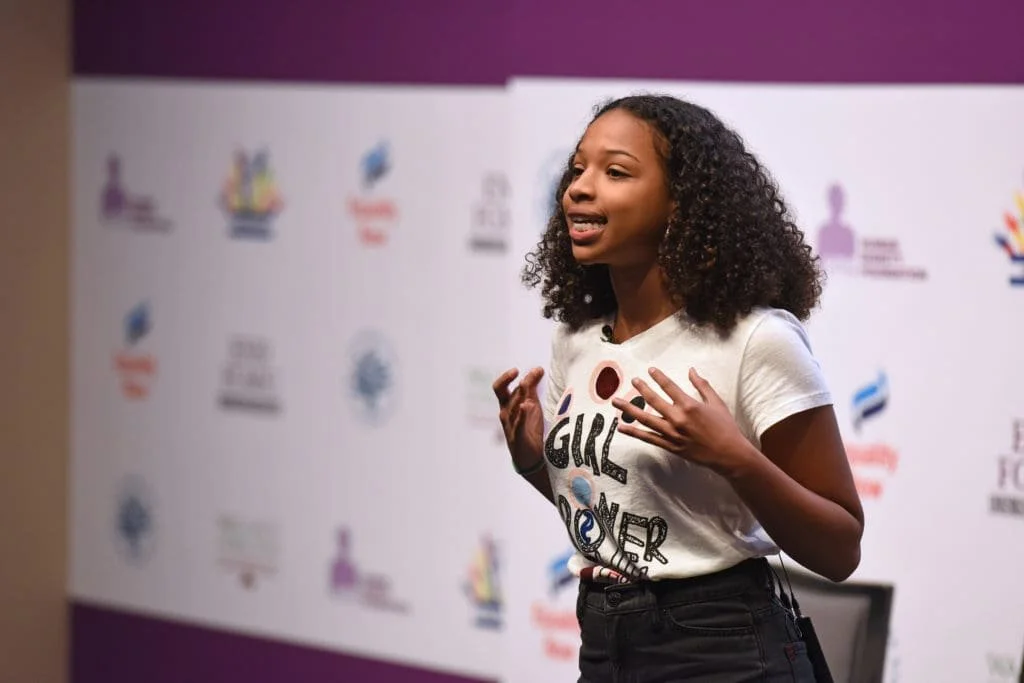
“FGM is child sexual assault. It has no place in any faith tradition or cultural rite of passage. Like other forms of gender-based bias, it is ultimately about power and controlling female sexuality.”
—Maryum Saifee USEFGM/C Network Member
“A national network is a great platform to bring together a host of organizations in order to better coordinate within regions and nationality, and help us become aware of which organizations, experts, and survivors may be the best to work with.”
—USFGM/C Network Member
Why this organization impacts me
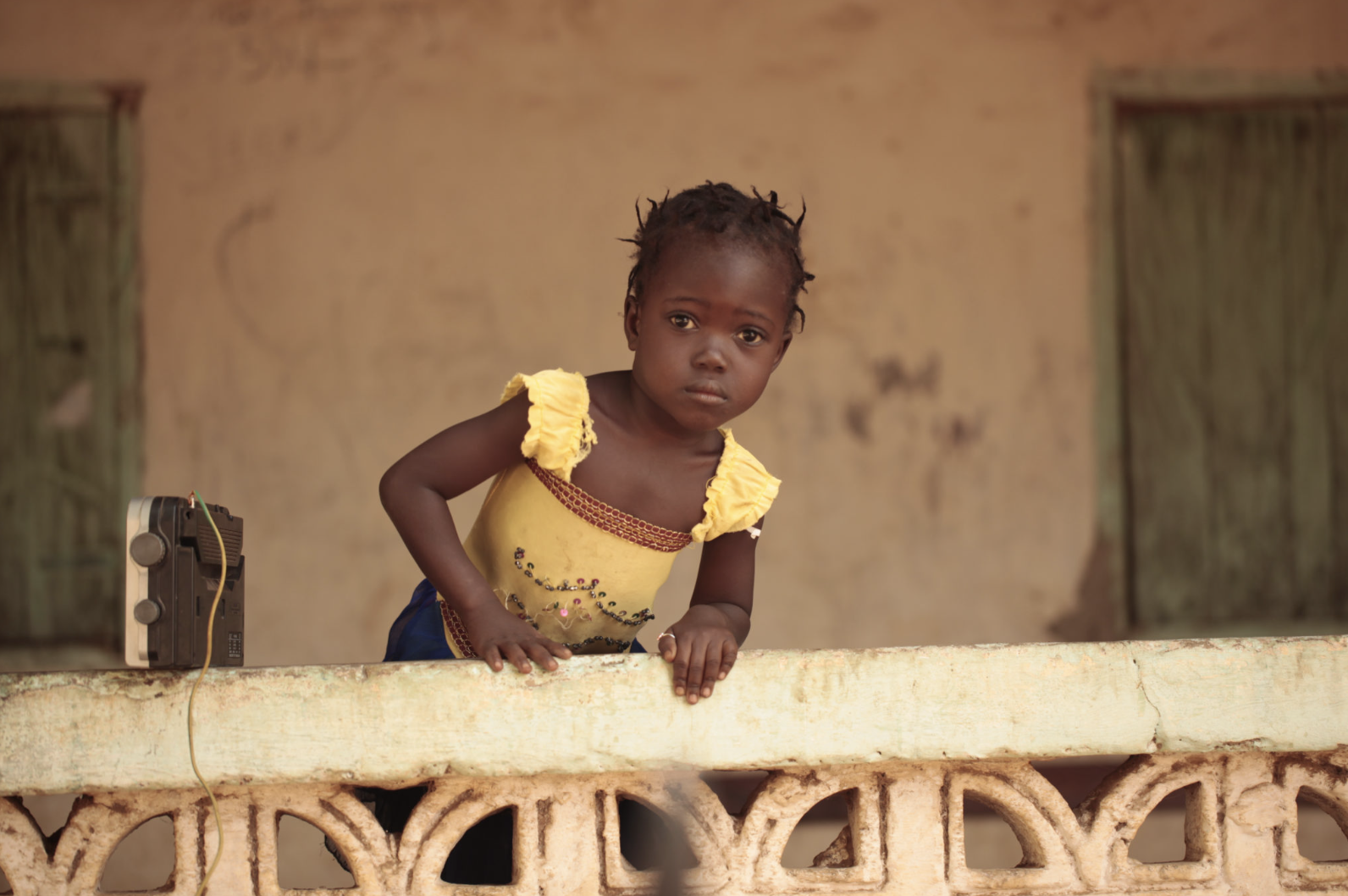
The U.S. End FGM/C Network deeply impacts me because its mission intersects with my dedication to deconstructing systemic violence, protecting minors, and advocating for absolute bodily autonomy. It is galling to see how this brutal practice is shielded by cultural misconceptions and the false weaponization of religious narratives. In reality, it is a severe form of child sexual assault and a crime against humanity. I highlight this network because their survivor-centered, collaborative approach does not just print empty awareness brochures. They actively drive state-level legislative change, dismantle toxic institutional frameworks, and connect women to vital clinical and trauma-informed care needed to reclaim ownership of their bodies and lives.