Social Action for Children and Women (SAW)
Empowering and protecting vulnerable girls, women, children, and migrants affected by political instability along the Thai–Myanmar border
Their story
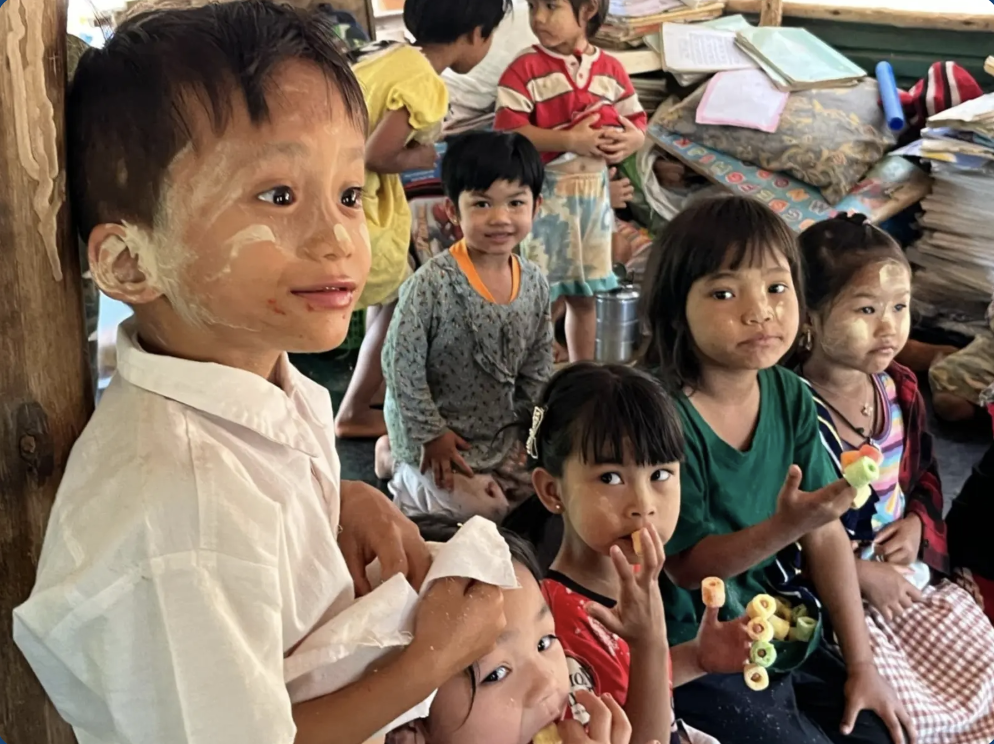
Social Action for Children and Women (SAW) was found on June 25, 2000, to support displaced girls and young women from Myanmar who fled to Mae Sot, Tak Province, Thailand due to crisis and conflict. SAW’s mission is to empower and protect vulnerable girls, women, children, and migrants affected by political instability along the Thai–Myanmar border.
The foundation provides safe shelters, health education, psychosocial support, vocational training, and community-based services. Over time, SAW has expanded its programs to include care and education for orphaned children and children of migrant families. In 2008, SAW was selected as one of 25 global recipients of the Red Ribbon Award from the United Nations Development Programme (UNDP) for its grassroots work in HIV prevention and education. In 2016, The founder, Mrs. Aye Aye Mar, received the Prachabdi Award from the Thai Royal Family for her humanitarian contributions.
In 2017, SAW was officially registered as a foundation and more than 62 orphaned children has been granted Thai citizenship , while others received long-term legal identification. The foundation also operates permanent facilities to support women and children in its care.
Their objectives
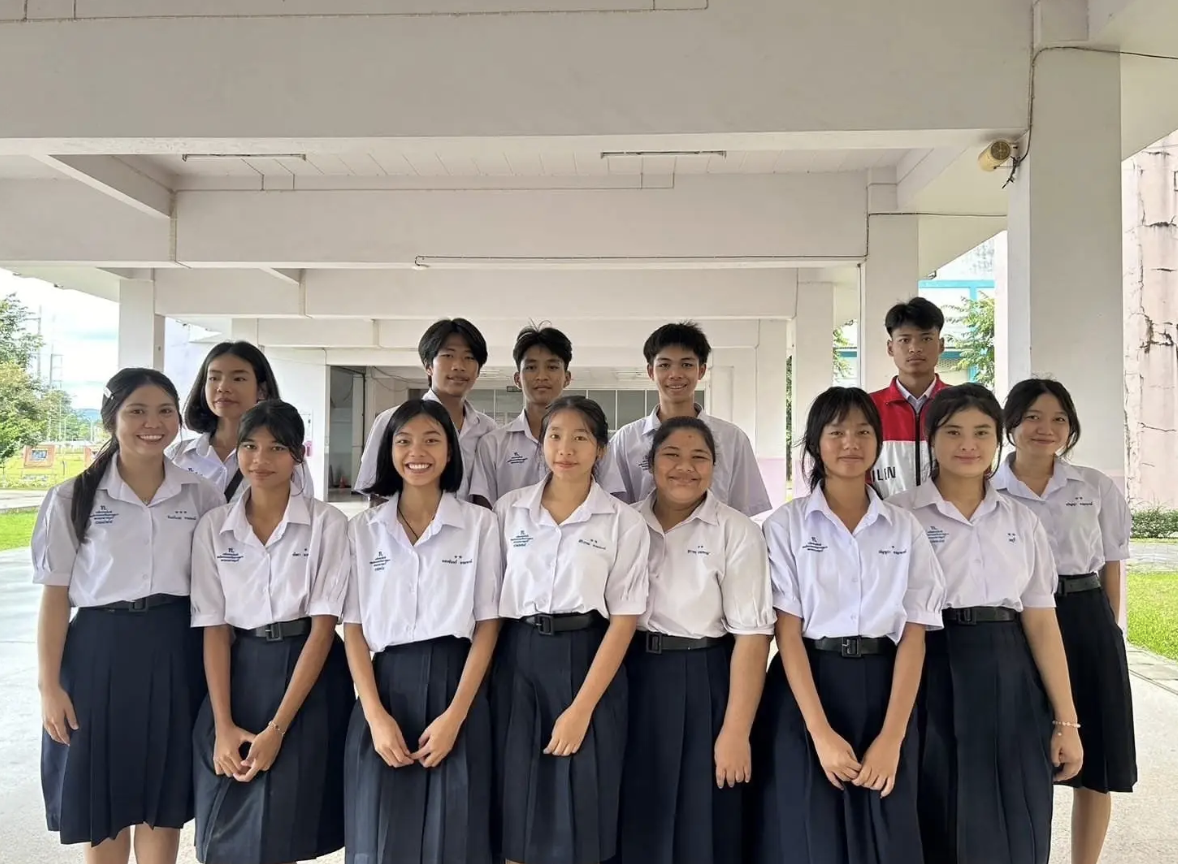
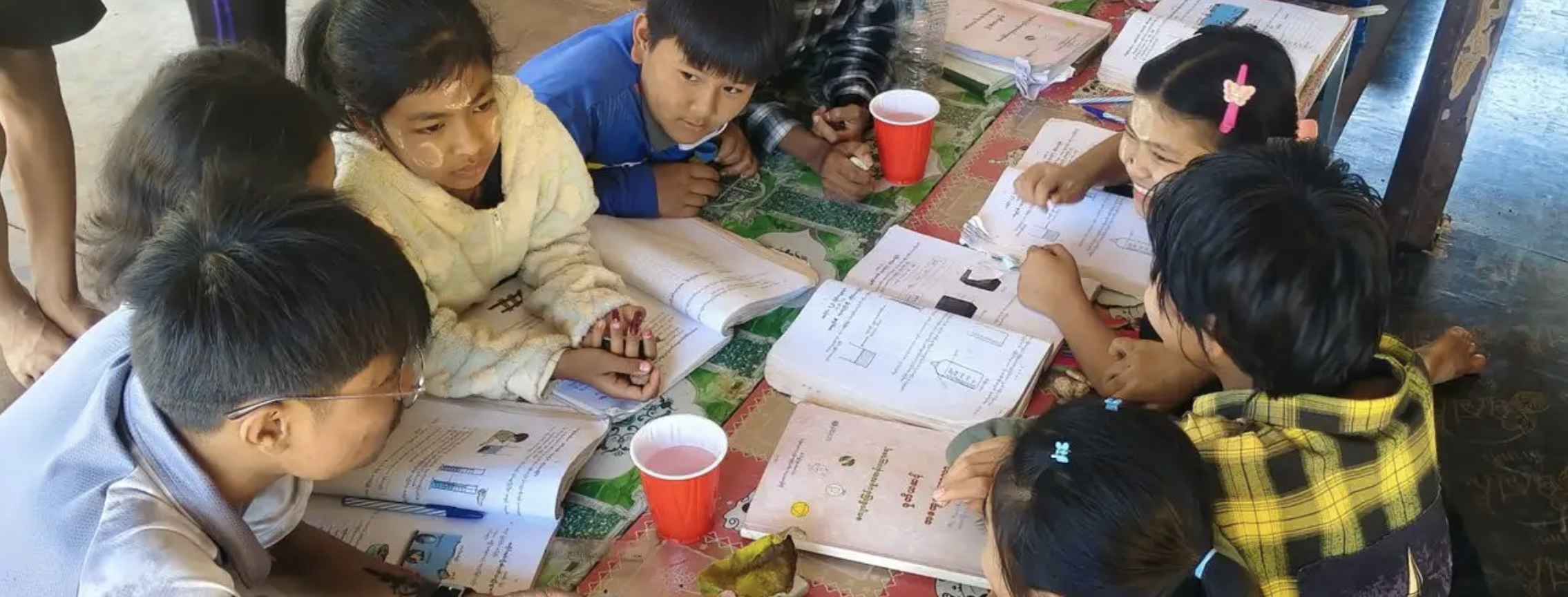
To assist women and children affected by displacement along the Thai-Burma border by providing services in areas of health education, health care, education, safe housing, vocational training, awareness raising, capacity building and psychosocial support.
To assist migrants and influx through the provision of health education, health care, education, safe housing, vocational training, awareness raising, capacity building and psychosocial support.
To meet its goals, SAW has been closely collaborating with Mae Tao Clinic, Mae Sot Hospital, UNHCR (Mae Sot), Migrant Rights Promotion Working Group (MRPWG),Anti-Trafficking Network, Community-Based Organizations Network (CBOs Network), Gender Based Violence Network, Committee for Protection and Promotion of Child Rights, Burmese Worker Associations and other women organizations in Mae Sot.
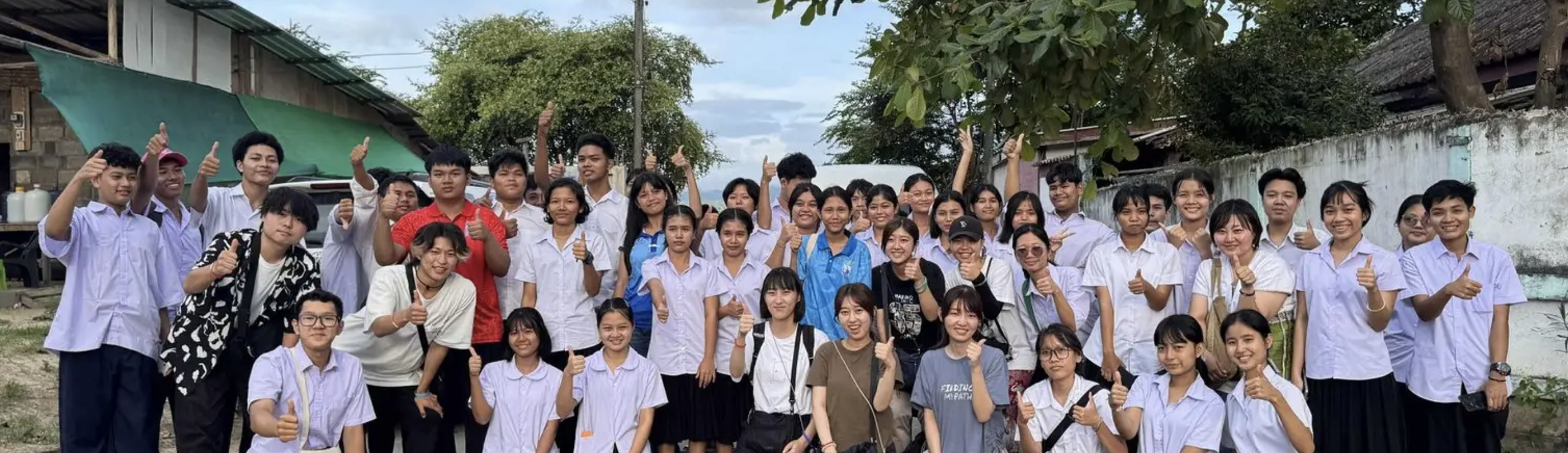
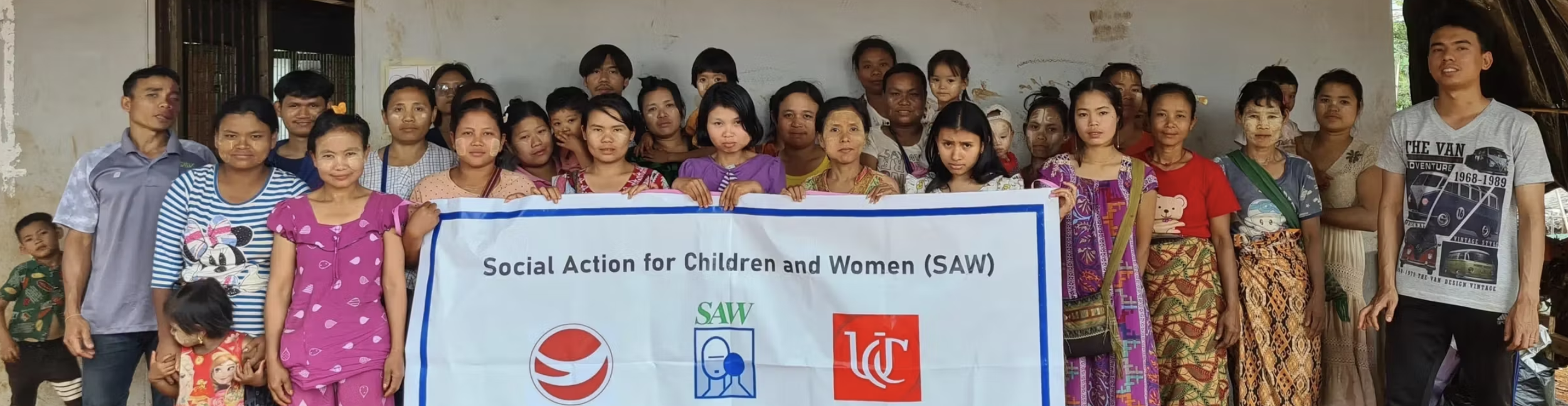
"I could see that a lot of women and children were in trouble. Some women were being sold to be sex workers and children were being trafficked. These were neglected cases and the victims were not receiving help."
Through these efforts, the organization’s ultimate goal is clear: by supporting vulnerable women and children, SAW hopes to strengthen their abilities to face future challenges and help them develop into healthy and productive members of society.
—Aye Aye Mar, Founder and Director of Social Action for Women and Children/USAID Journalist
"I like living in the boarding house not only because I feel safe here but also I have access to school. I don't feel lonely here as I have many friends living together and my brother is always there... We, as a team, are assigned duties at the boarding house, such as cooking or cleaning... I have learned a lot from these duties and I've built up some confidence: now I can cook chicken and fish curry well. I've also learned how I take care of myself... I want to be a professional tailor. We have sewing machines at the boarding house and I like making clothes. I think it is a good career path and if I become a good tailor I would be able to make a good income."
—Aye, Grade 7 student at SAW Migrant Learning Centre
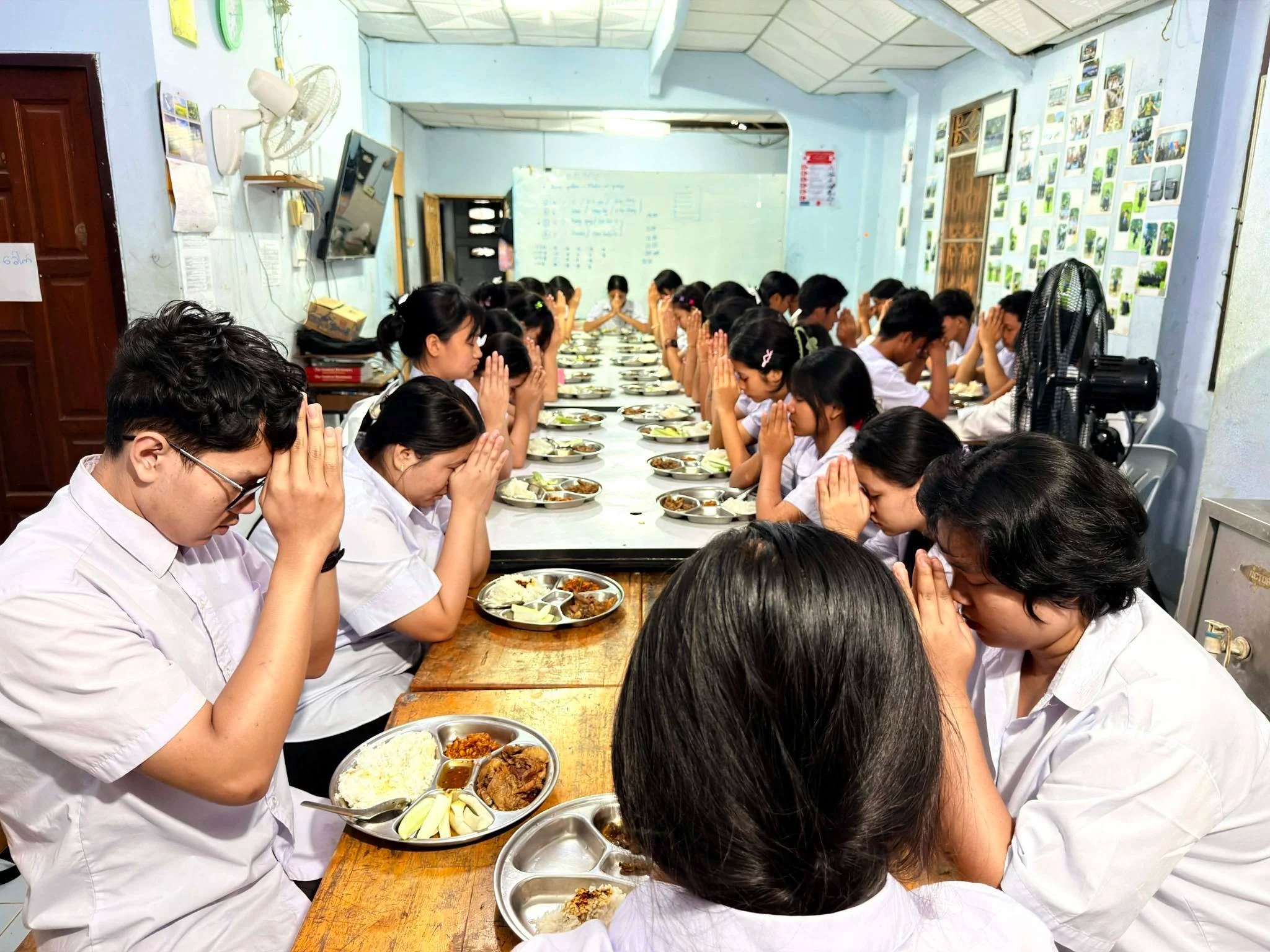
SAW Safe House
The Reality on the Border: A Survivor's Voice
Trigger Warning: sexual abuse, child abuse, child trafficking, corruption, death
“I am thirteen years old, and my home is Burma. I am from the Karen tribe and have always been persecuted because of this. Of course, I don’t live there anymore. I no longer have a home. My parents were killed last year when our village was burned down by the military, and my parents refused to be relocated. I ran into the forest with my cousins and came to Mae Sot. I thought I would be safe, being with my older cousin. But she sold me. I was told I was going to work in a restaurant. I was taken to a house where an old man was waiting for me. He told me that he paid a lot of money for me he could do whatever he wanted. He beat me and raped me three times. Afterward, a woman picked me up and took me to the “darling home”. I wasn’t allowed to go out or look outside of the windows. I got beaten if I did. I was given a number tag, which became my name. One day some clients took me away. I thought I would die, they had machetes and I cried for them to release me. They took me to a tent, where I was used by six men. I escaped and dragged myself into the street to look for help. When the police came I thought I was rescued. But they arrested me and took me back to the prostitute home. They accused me of trying to run away and locked me in a room with no food for 10 days. I escaped when one of the prostitutes felt sorry for me and brought me food. I went to the top of the building and jumped. But I didn’t die. So I got up and ran…”
The Sanctuary: Inside the SAW Safe House
It is precisely for children like this young survivor that the Social Action for Women and Children (SAW) Foundation keeps its doors open.
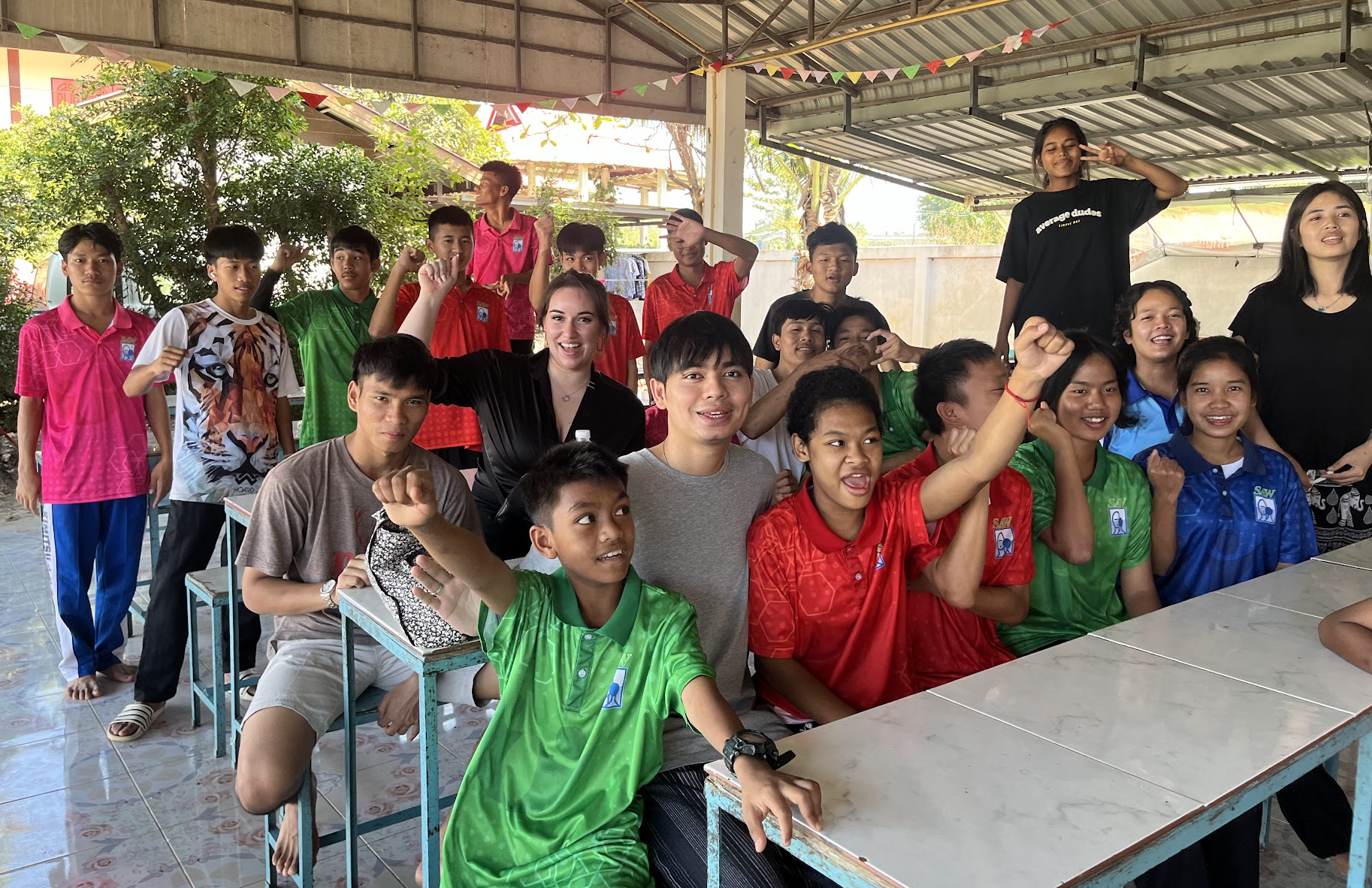
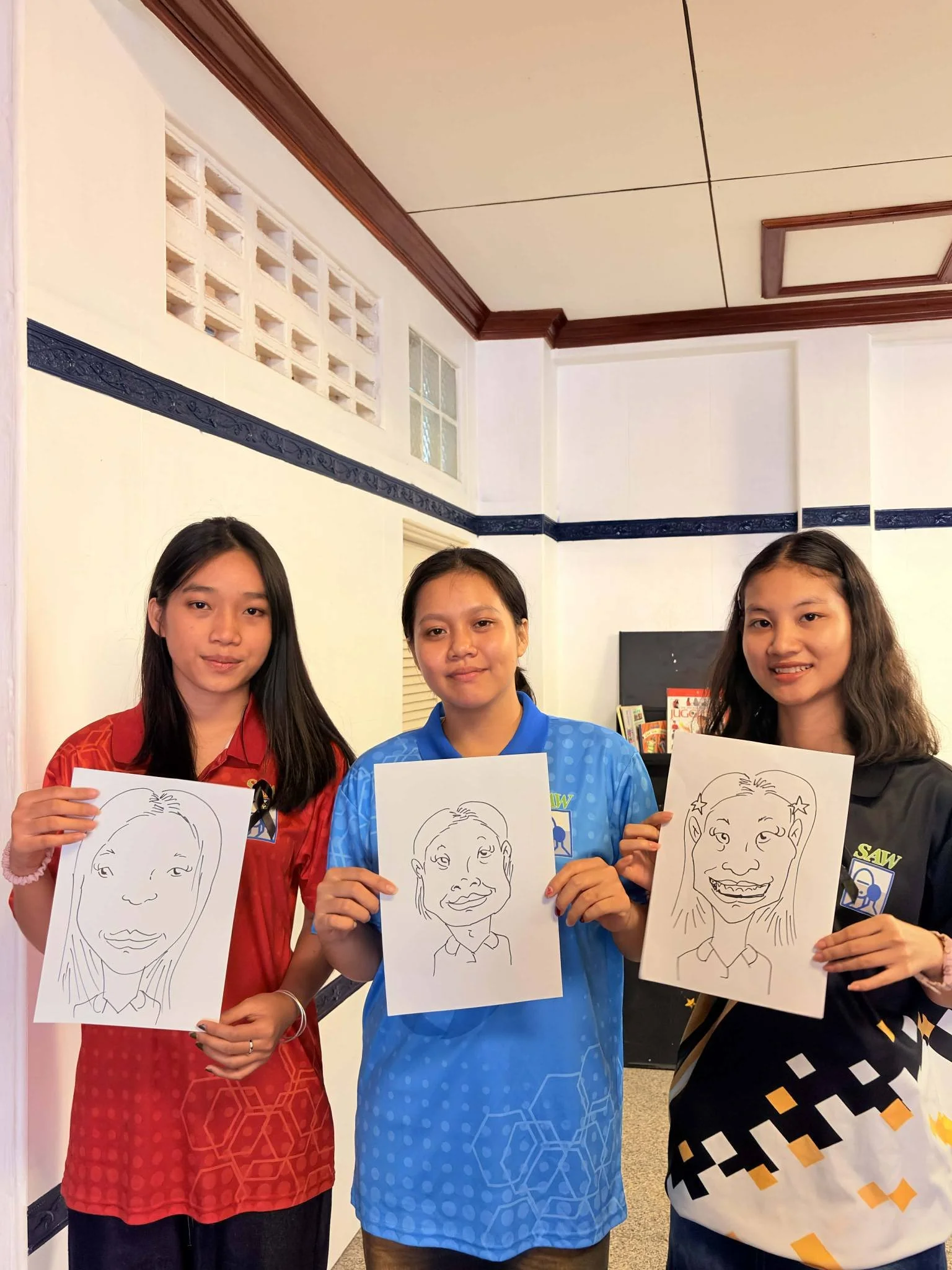
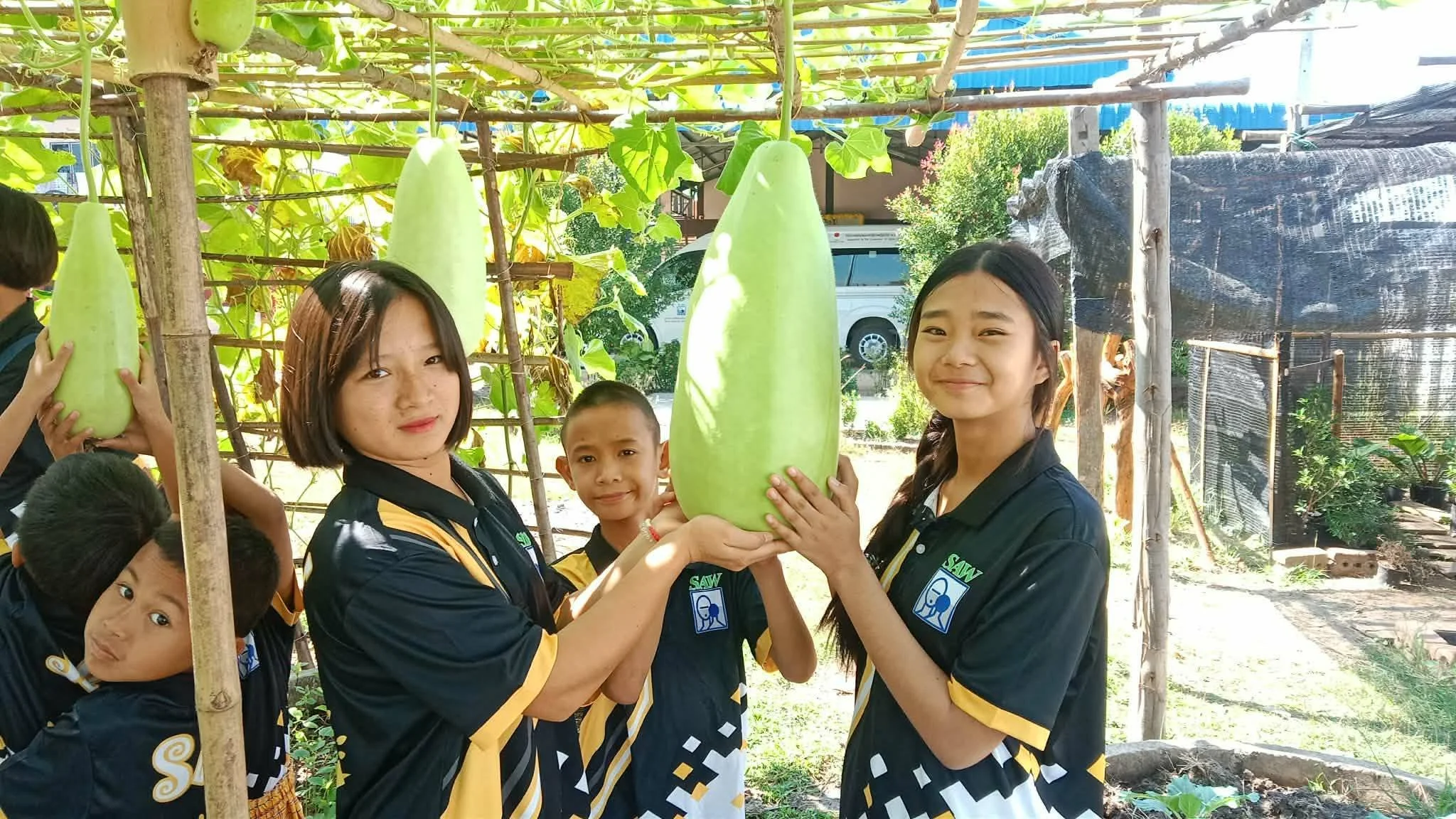
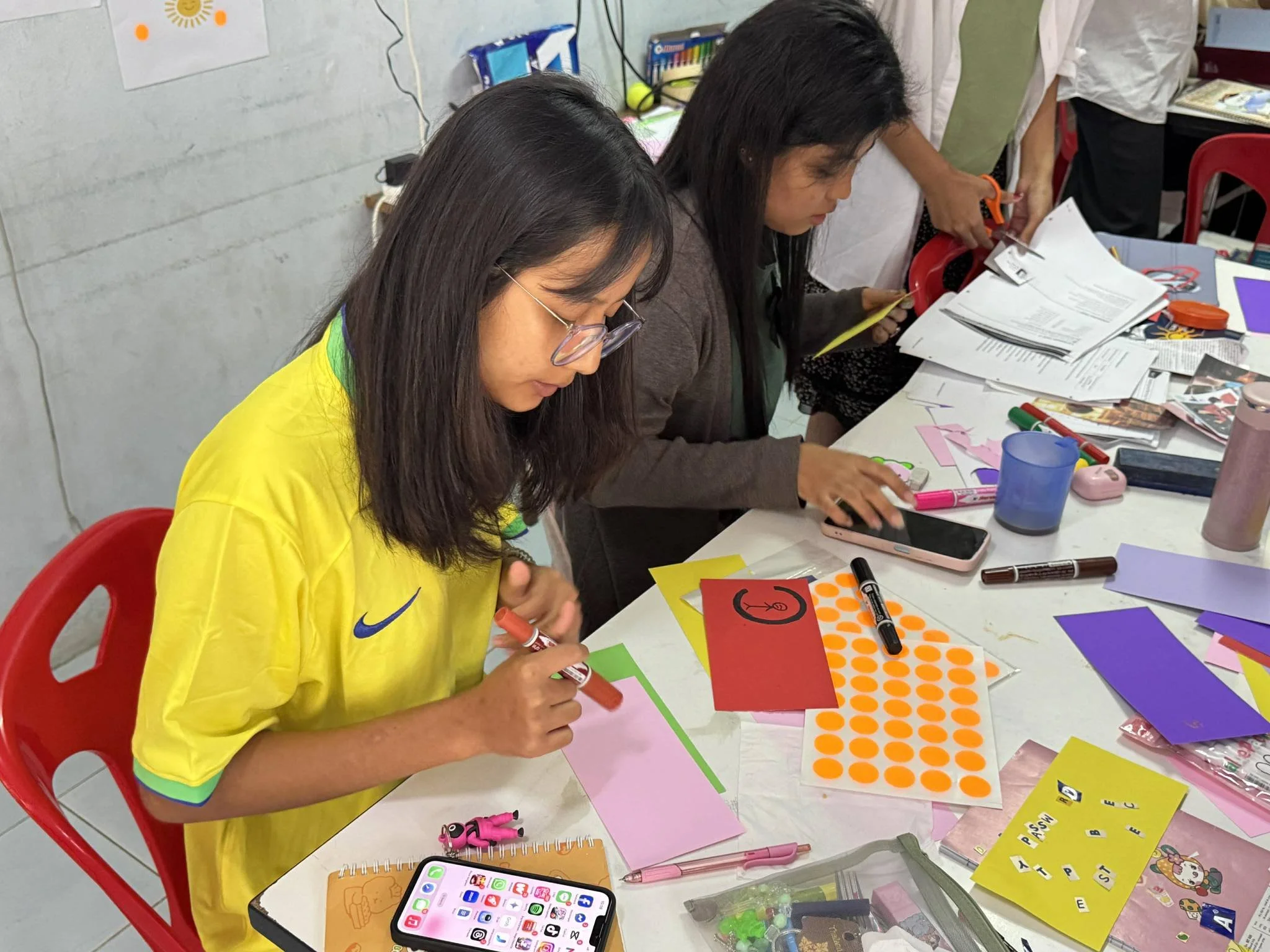
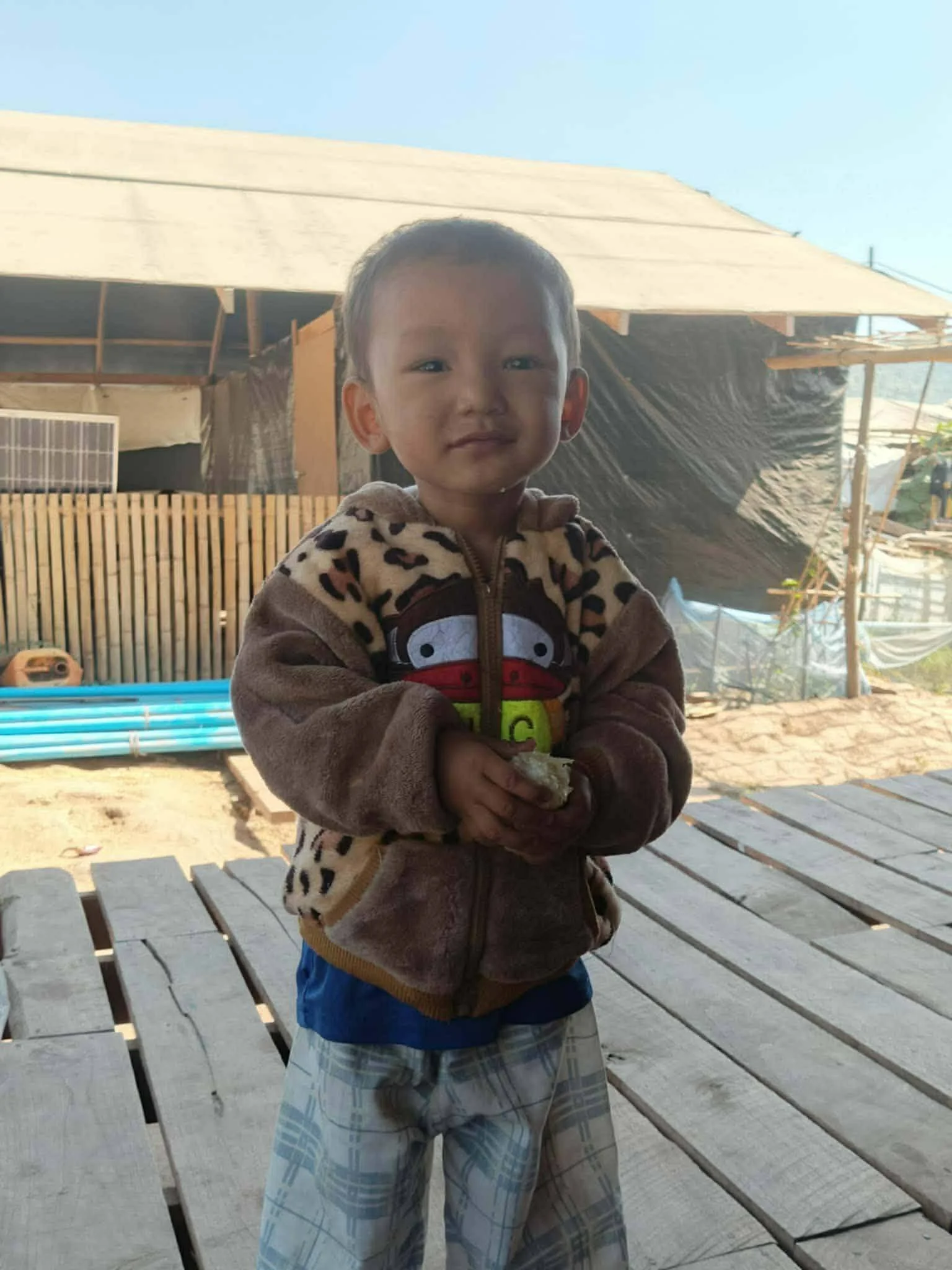
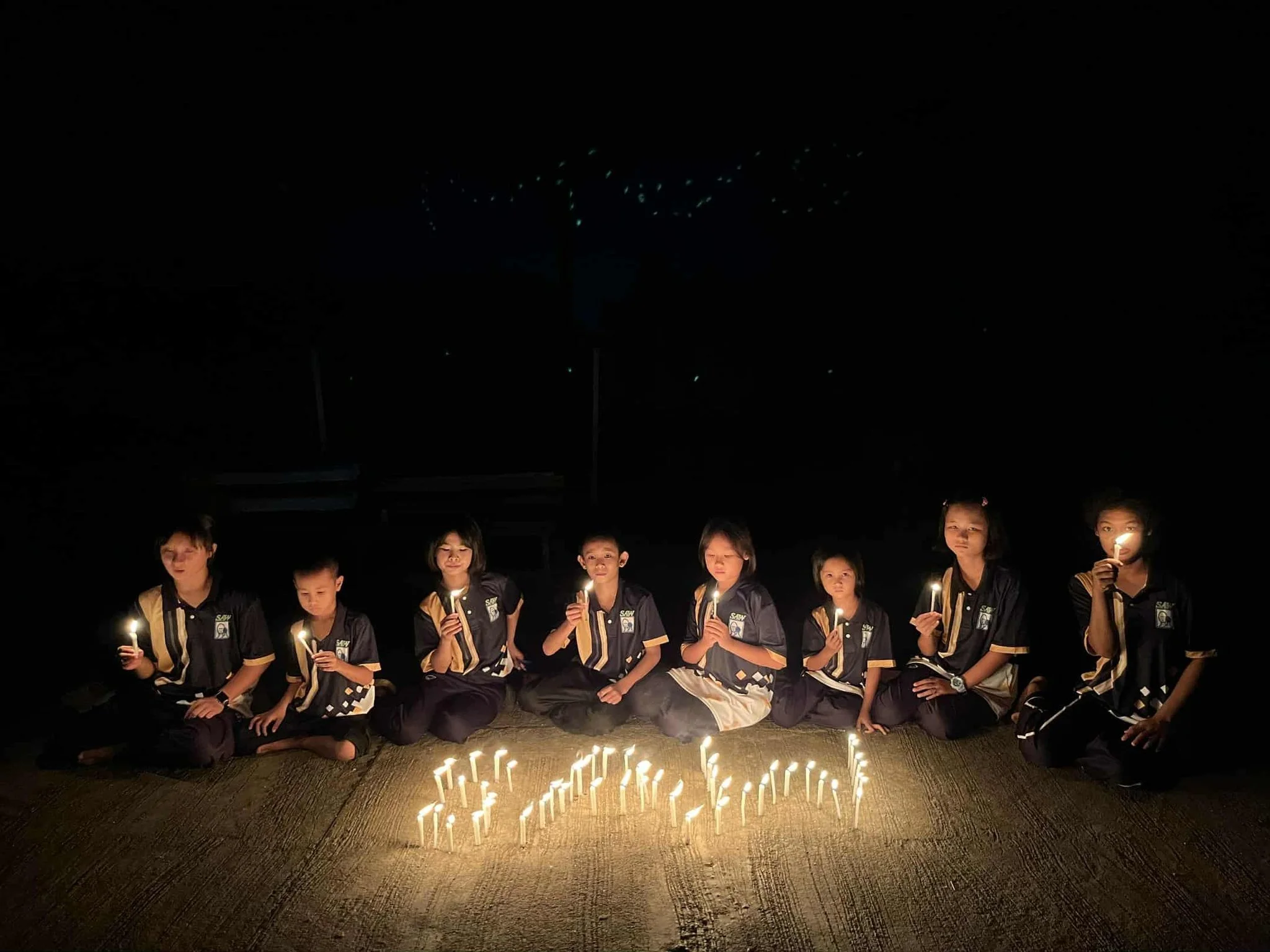
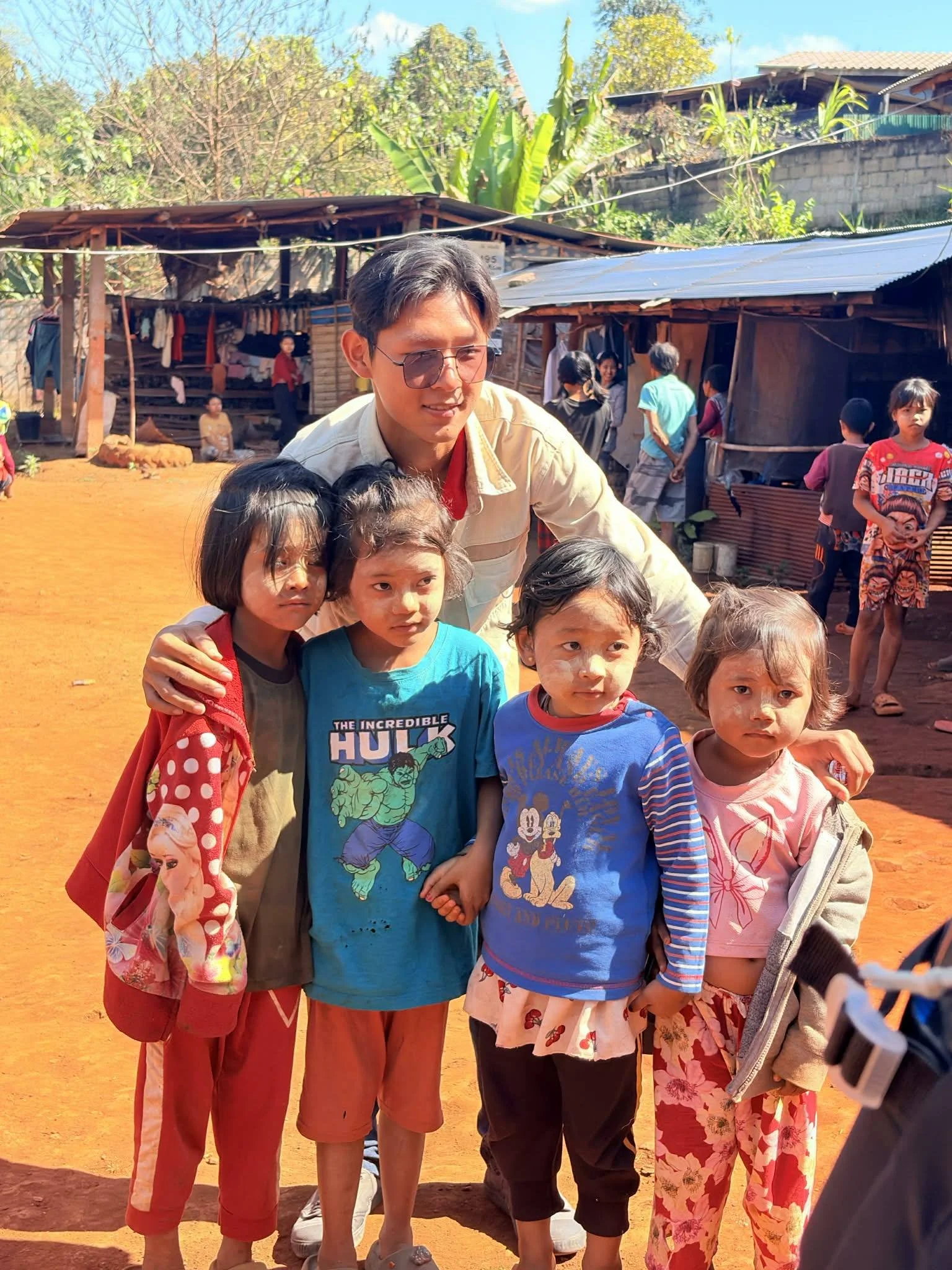
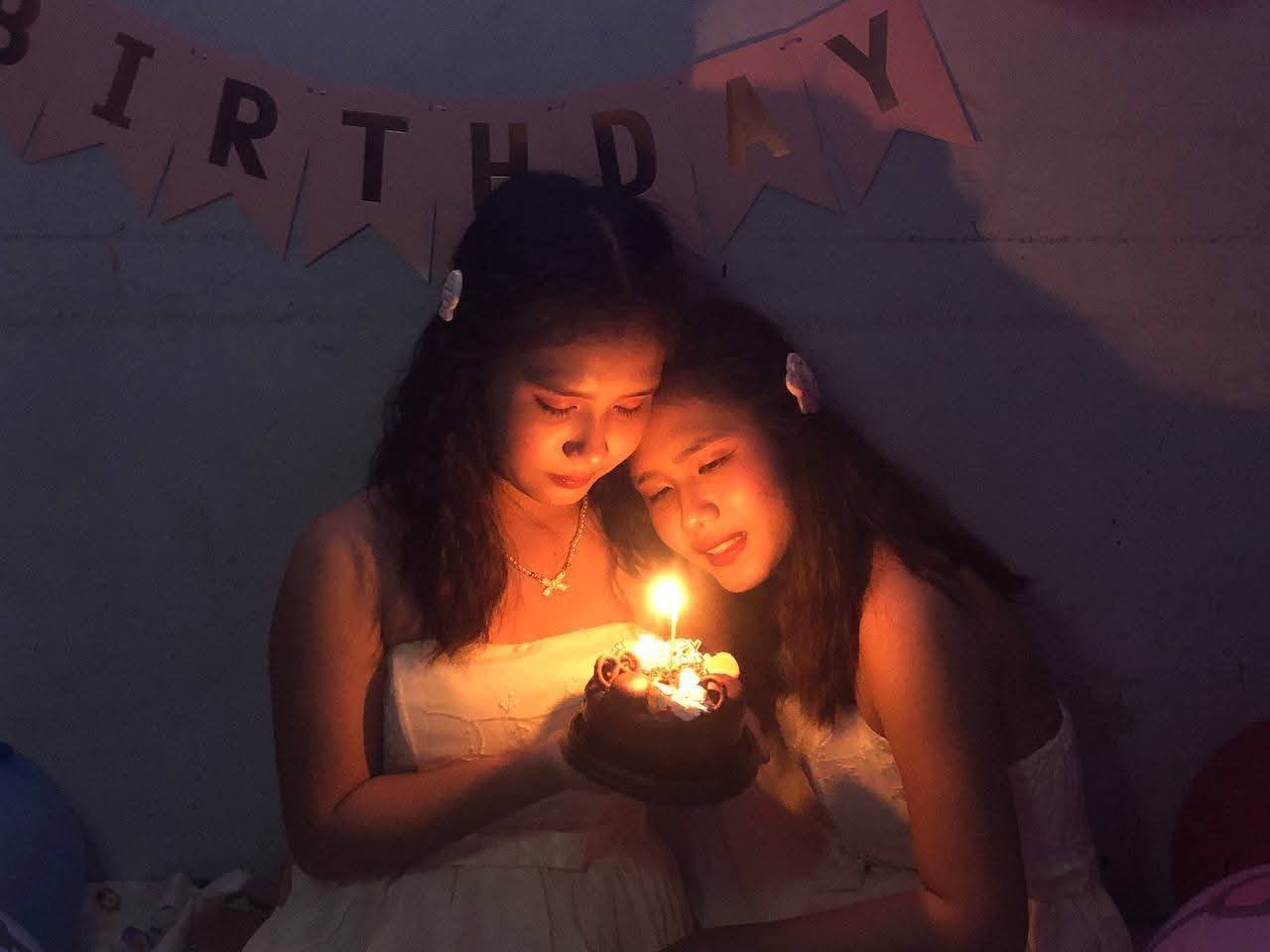
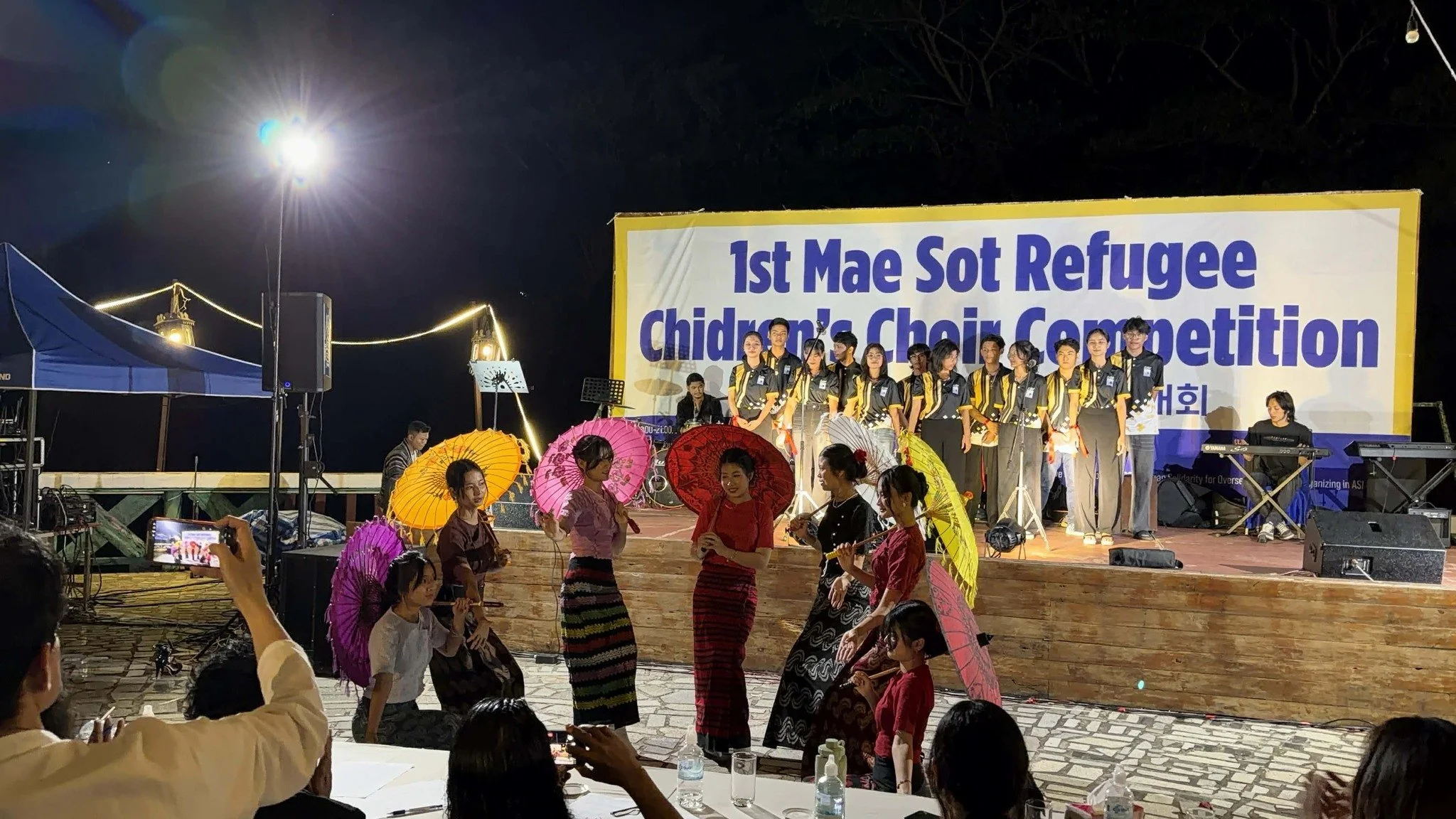
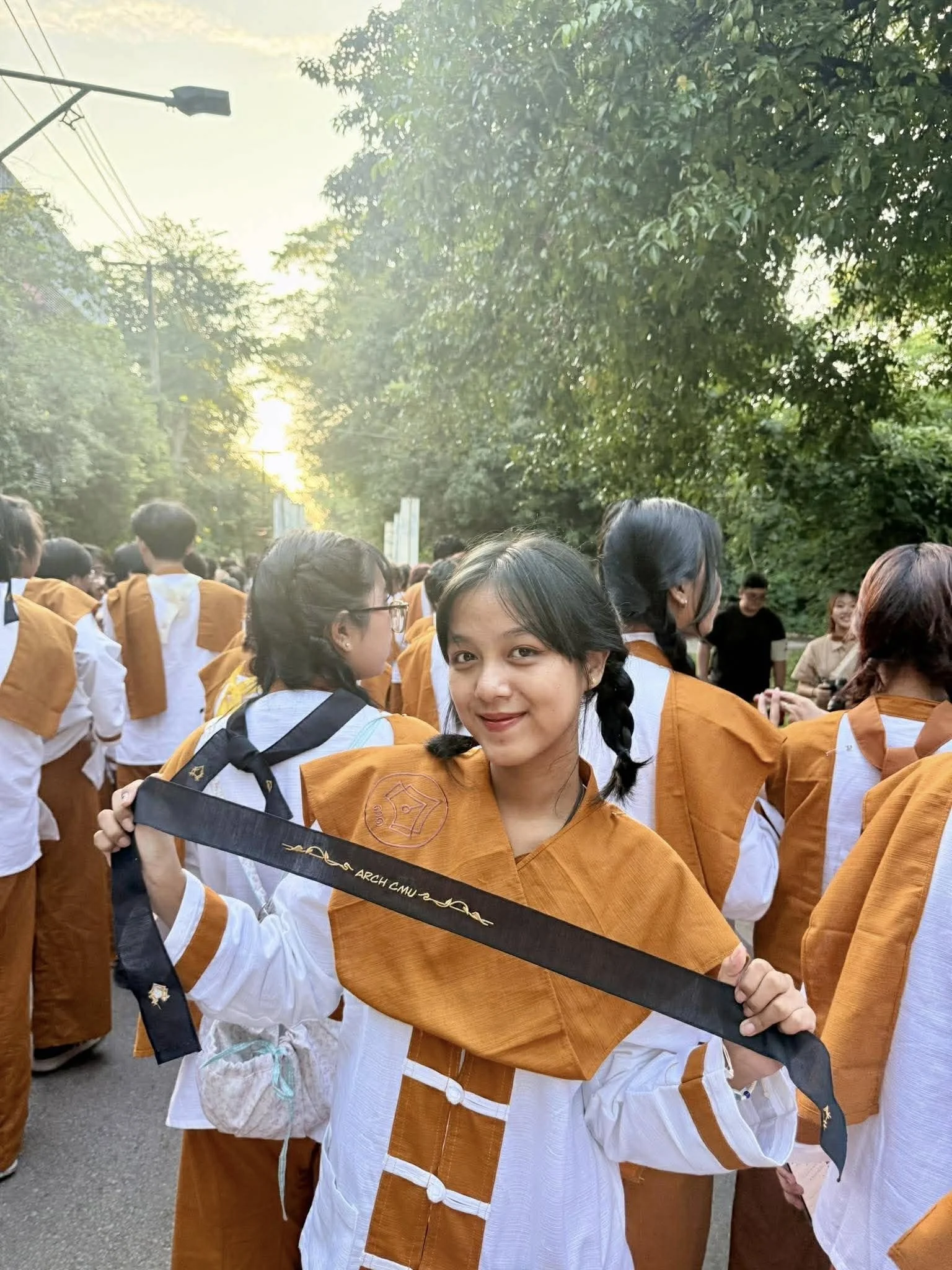
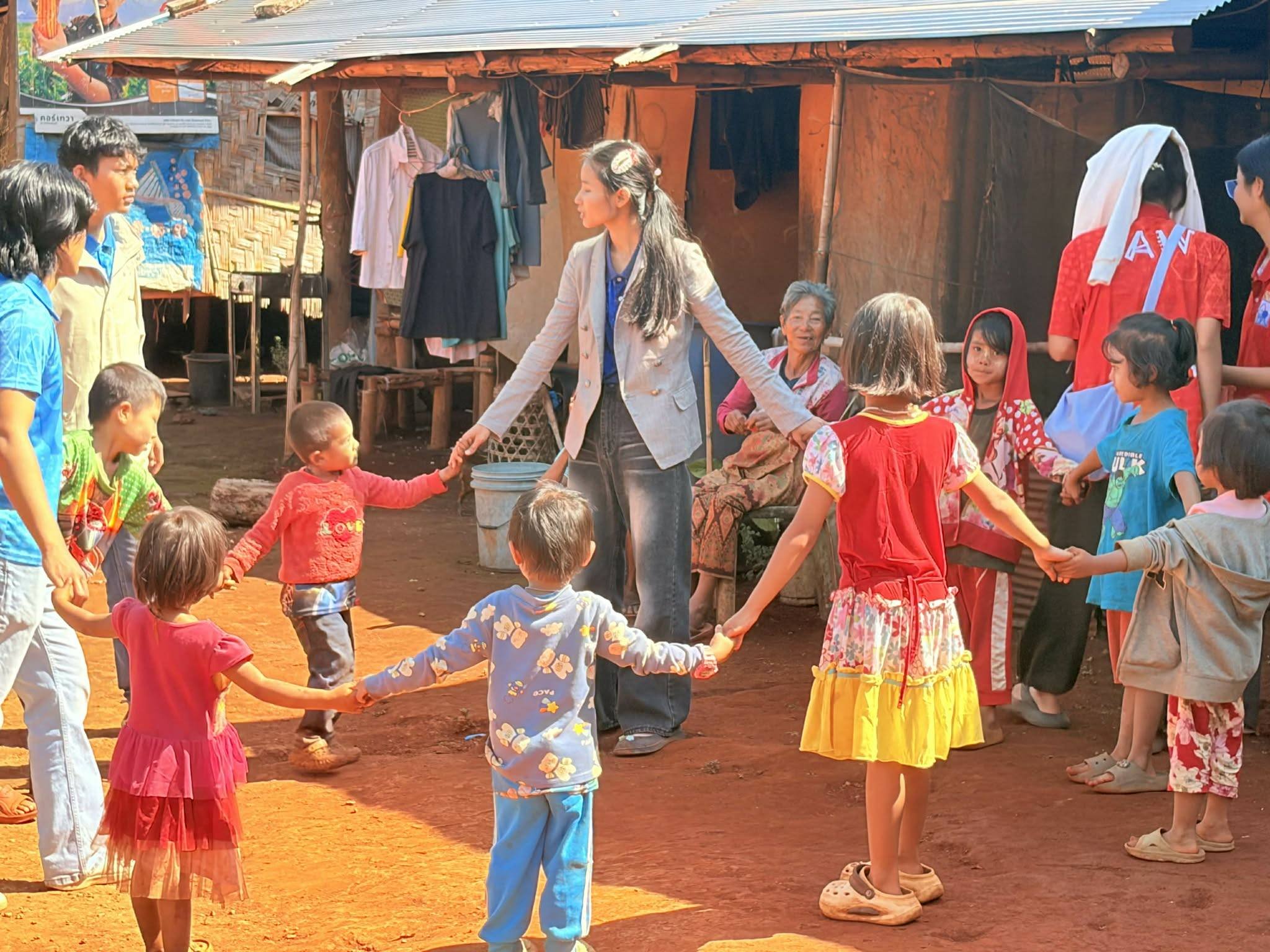
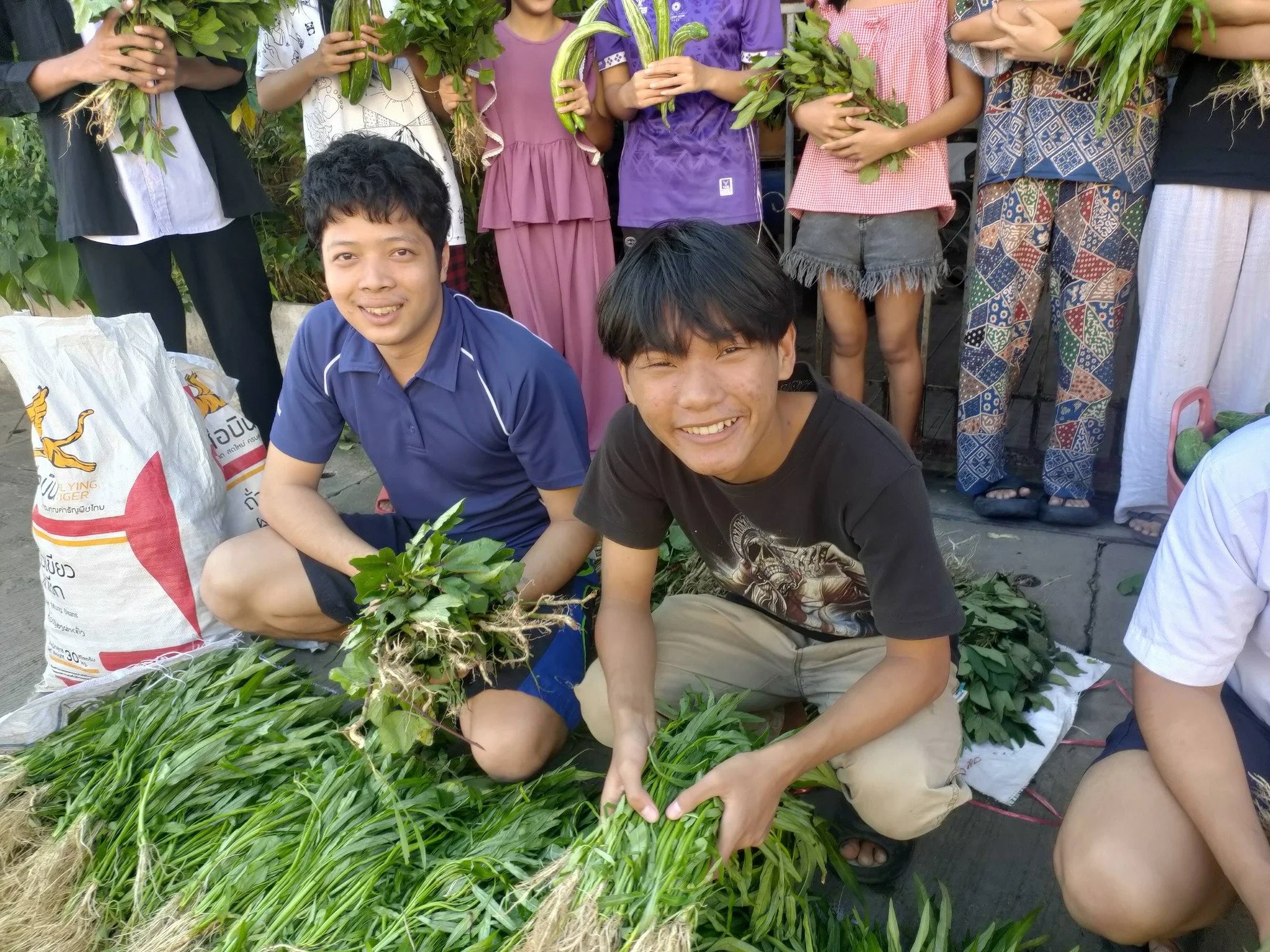
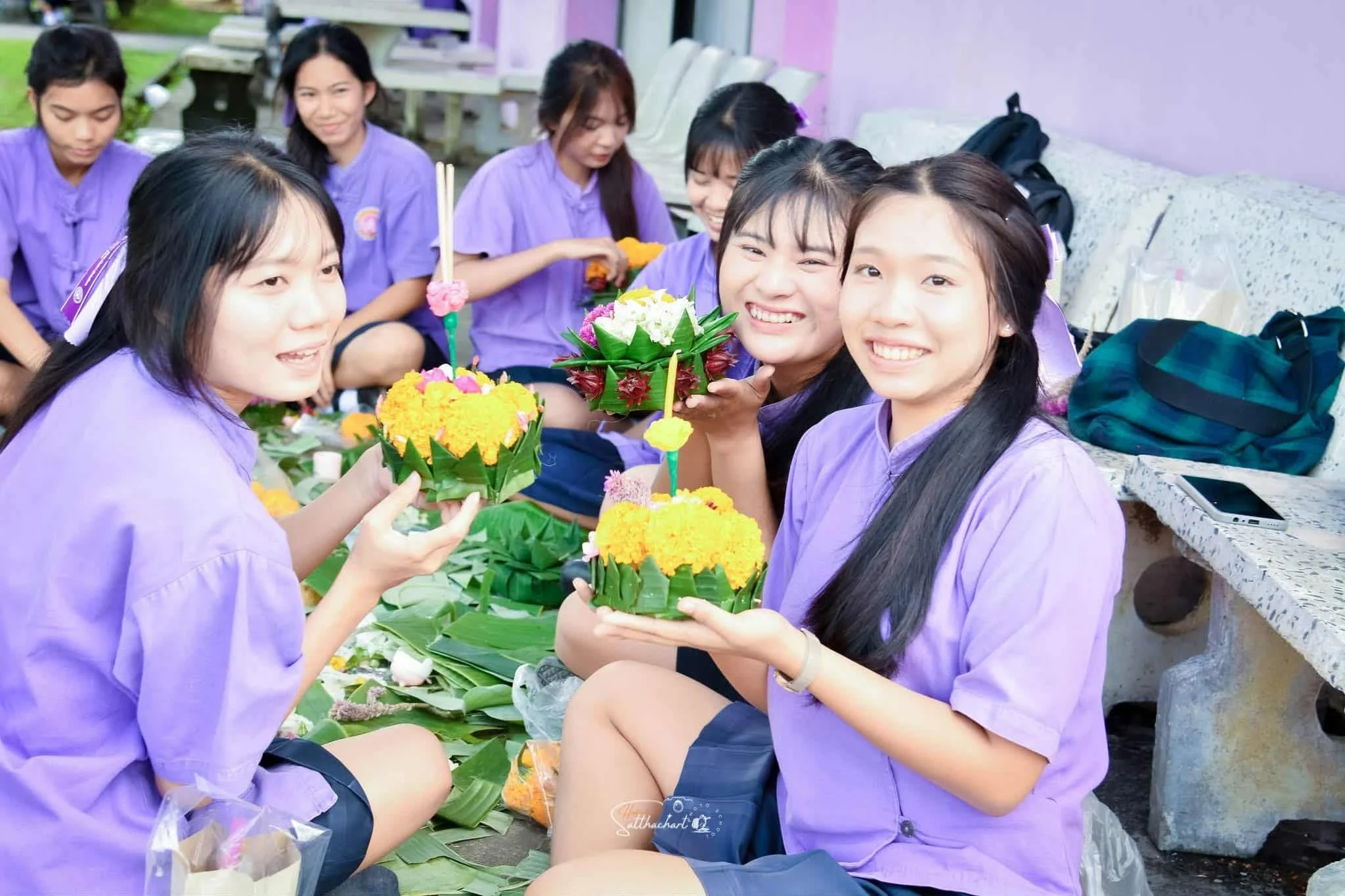
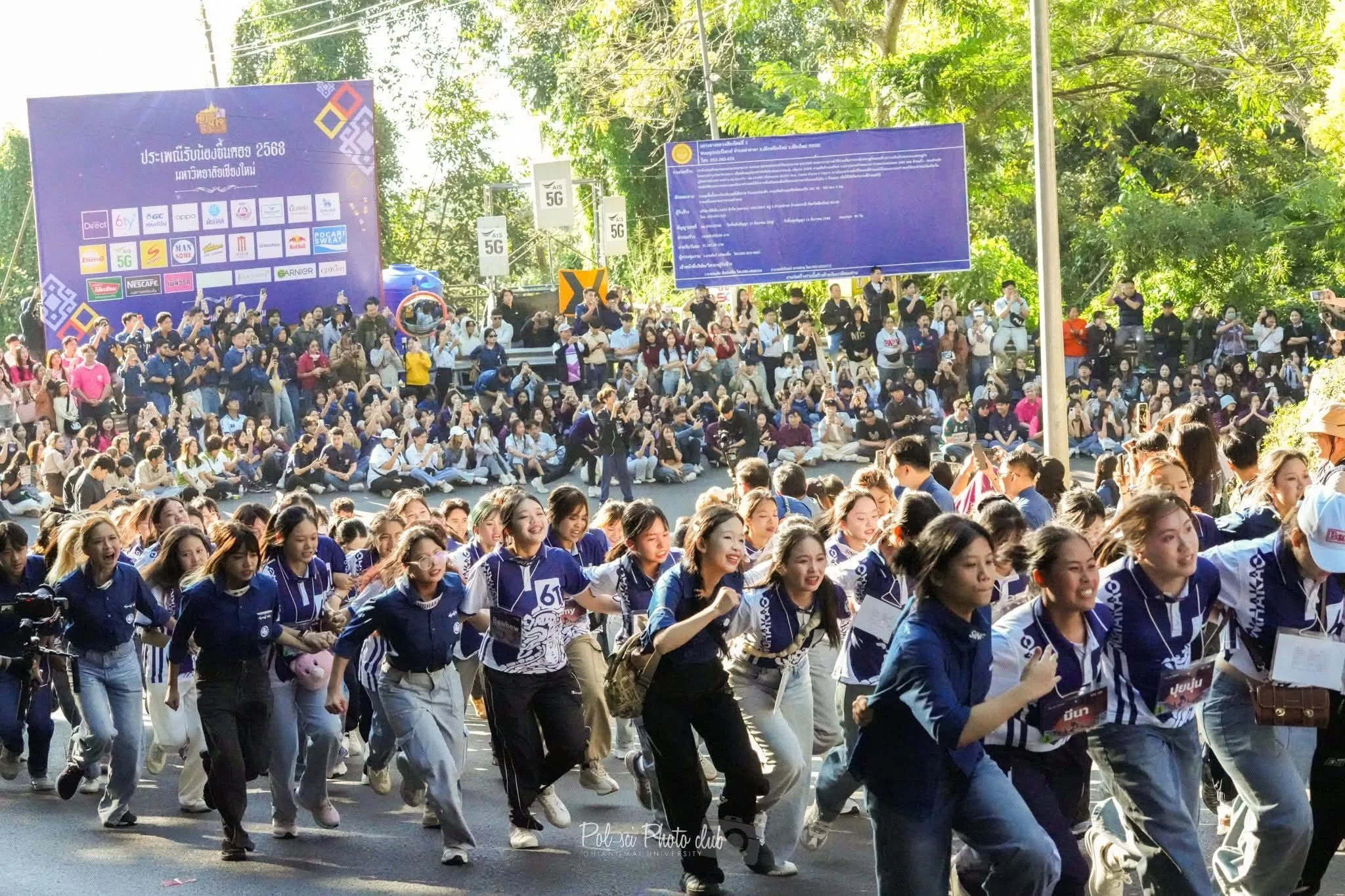
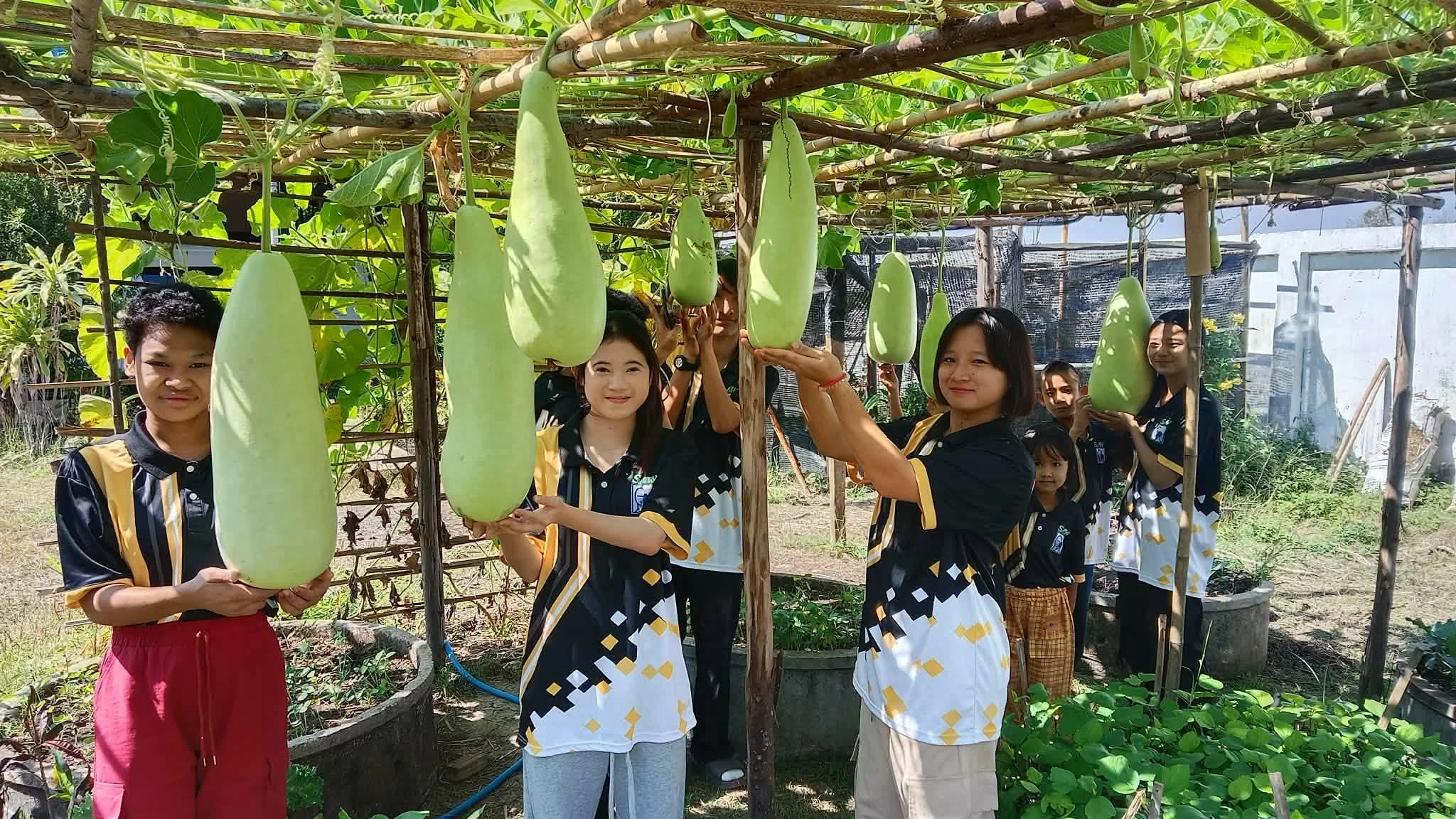
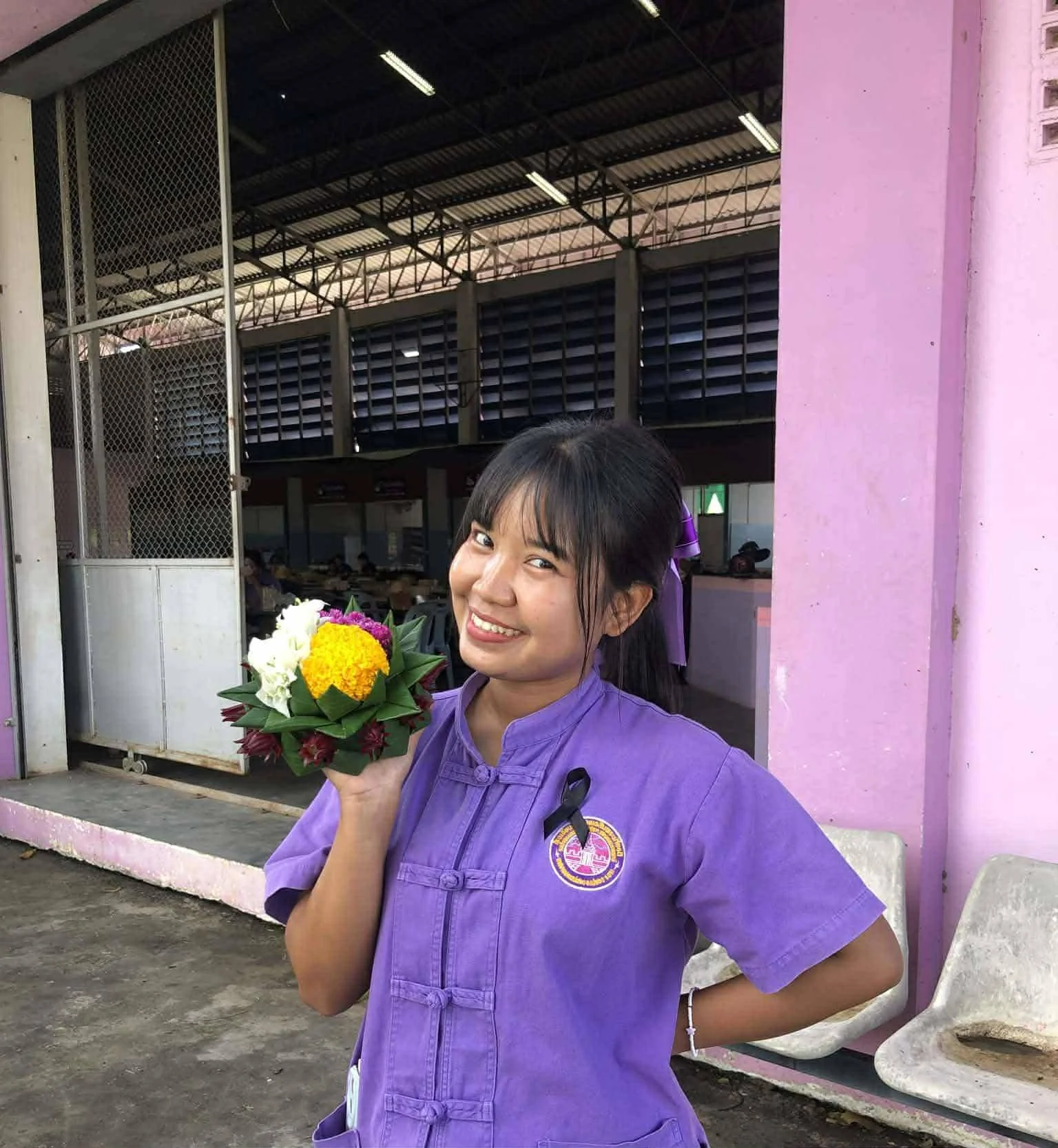
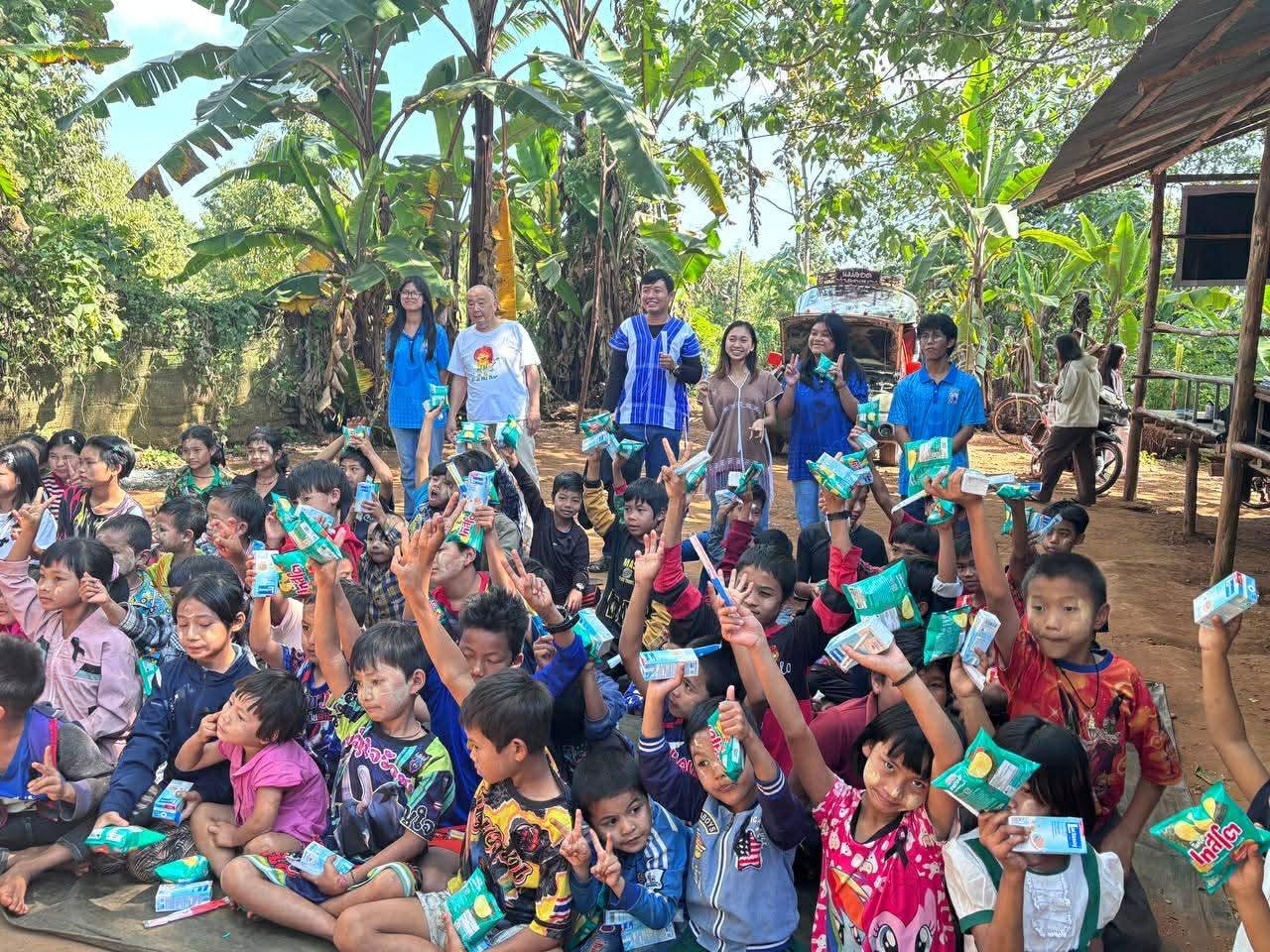
To truly understand the foundation's impact, one must step inside the doors of the SAW Safe House. At first, you might expect a place for children escaping political violence, abuse, and trafficking to feel sad. But when you walk in, you find the opposite. The safe house is full of energy, safety, and a strong sense of home. The children’s difficult pasts are met with care, healing, and joy. Instead of sadness, you hear laughter, music, and the sounds of children studying, cooking, and playing together like a big family. Even after all they have faced, the children are happy, secure, and thriving. This shows how SAW not only protects these young people but also helps them reclaim their childhoods.
Why this organization impacts me
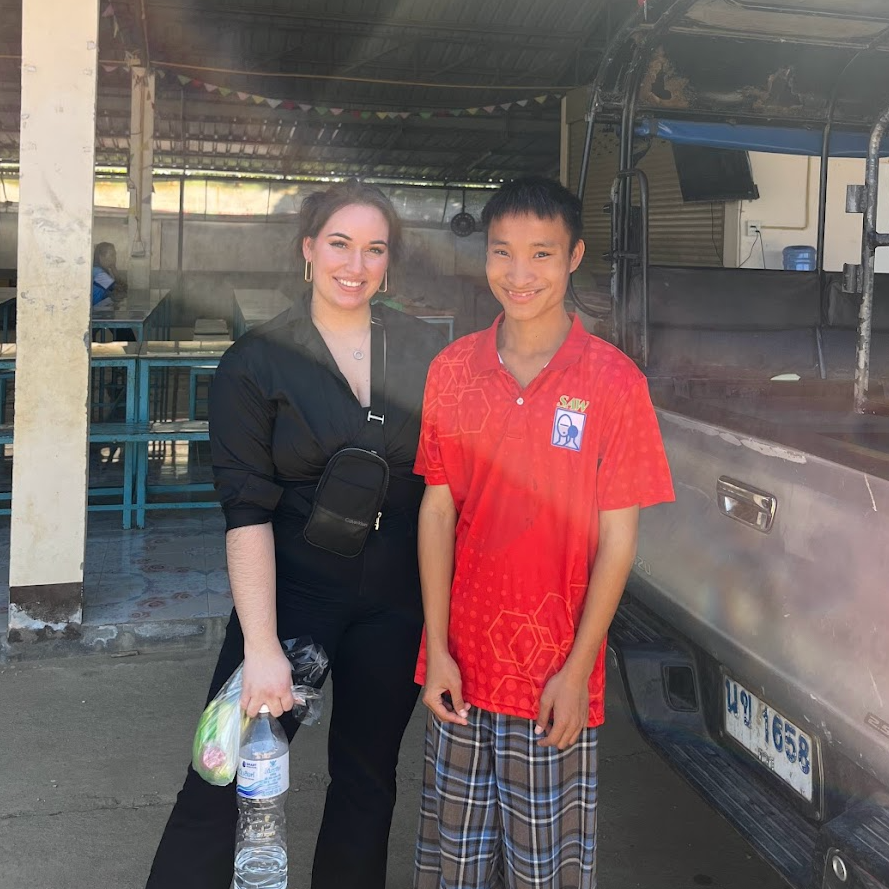
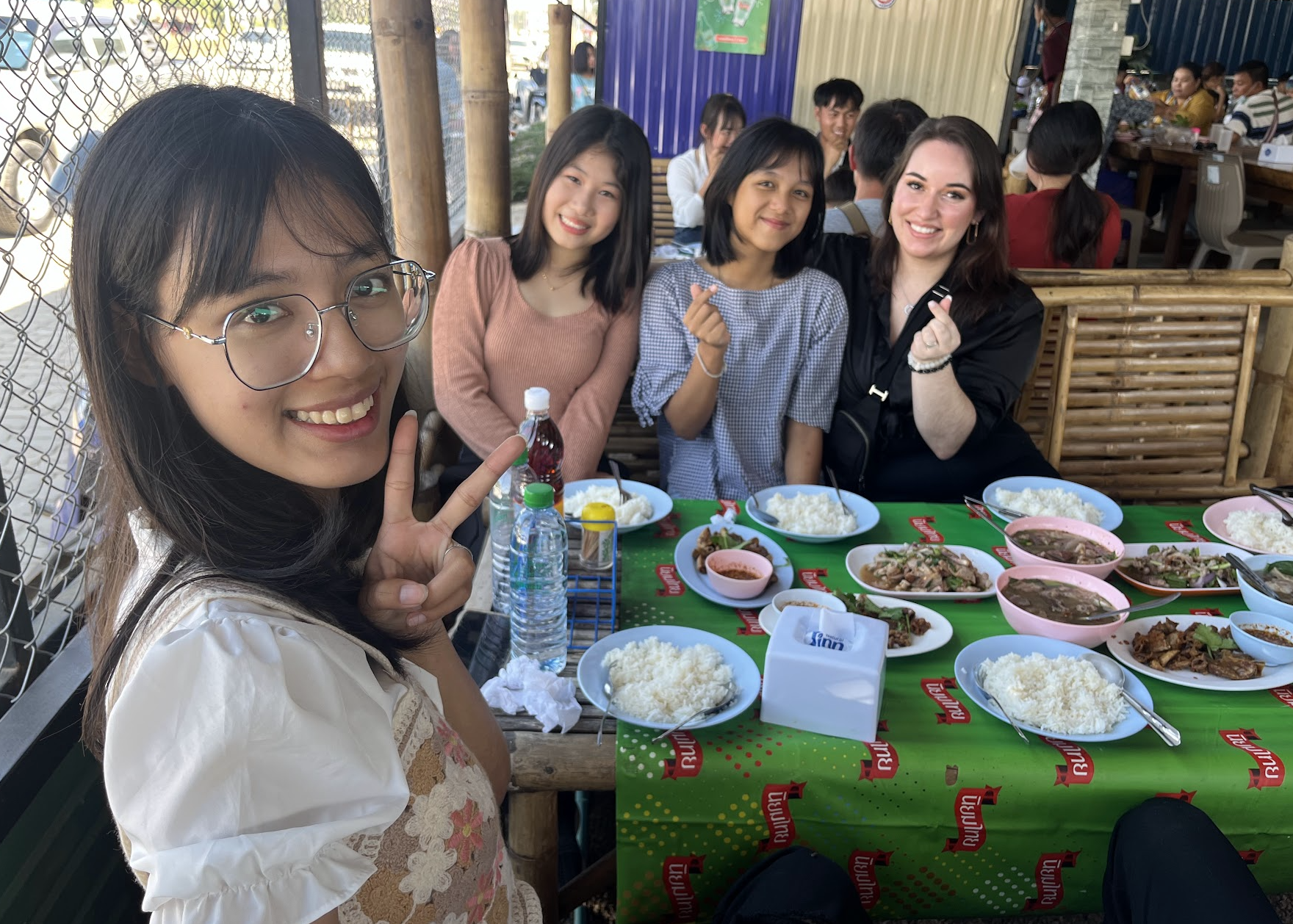
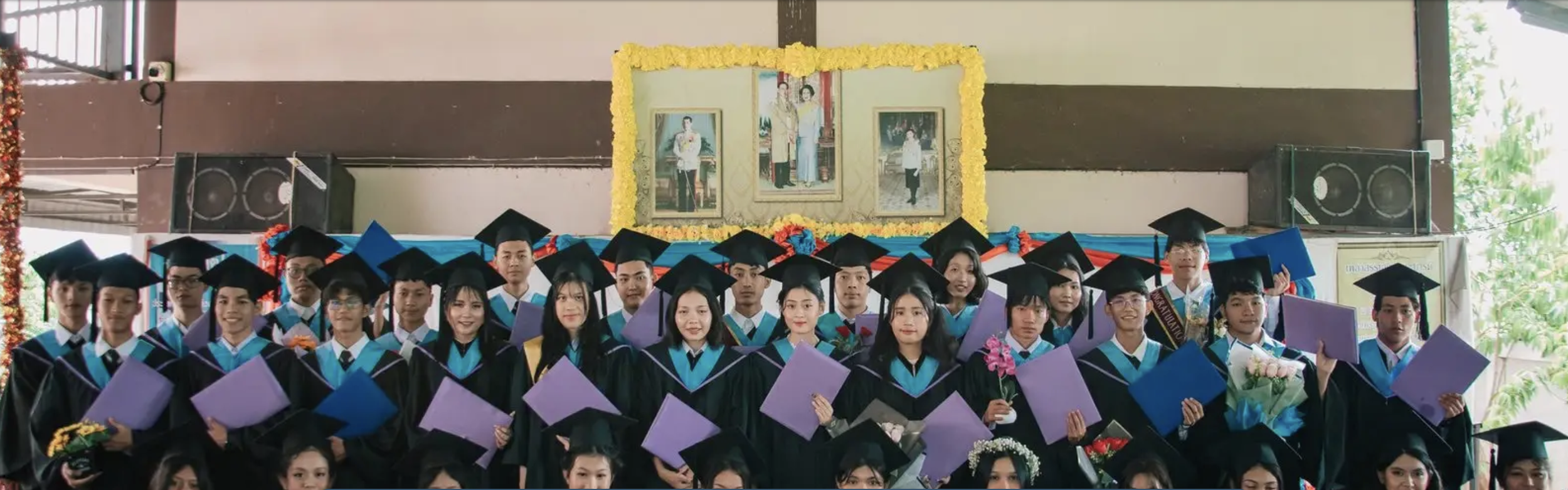
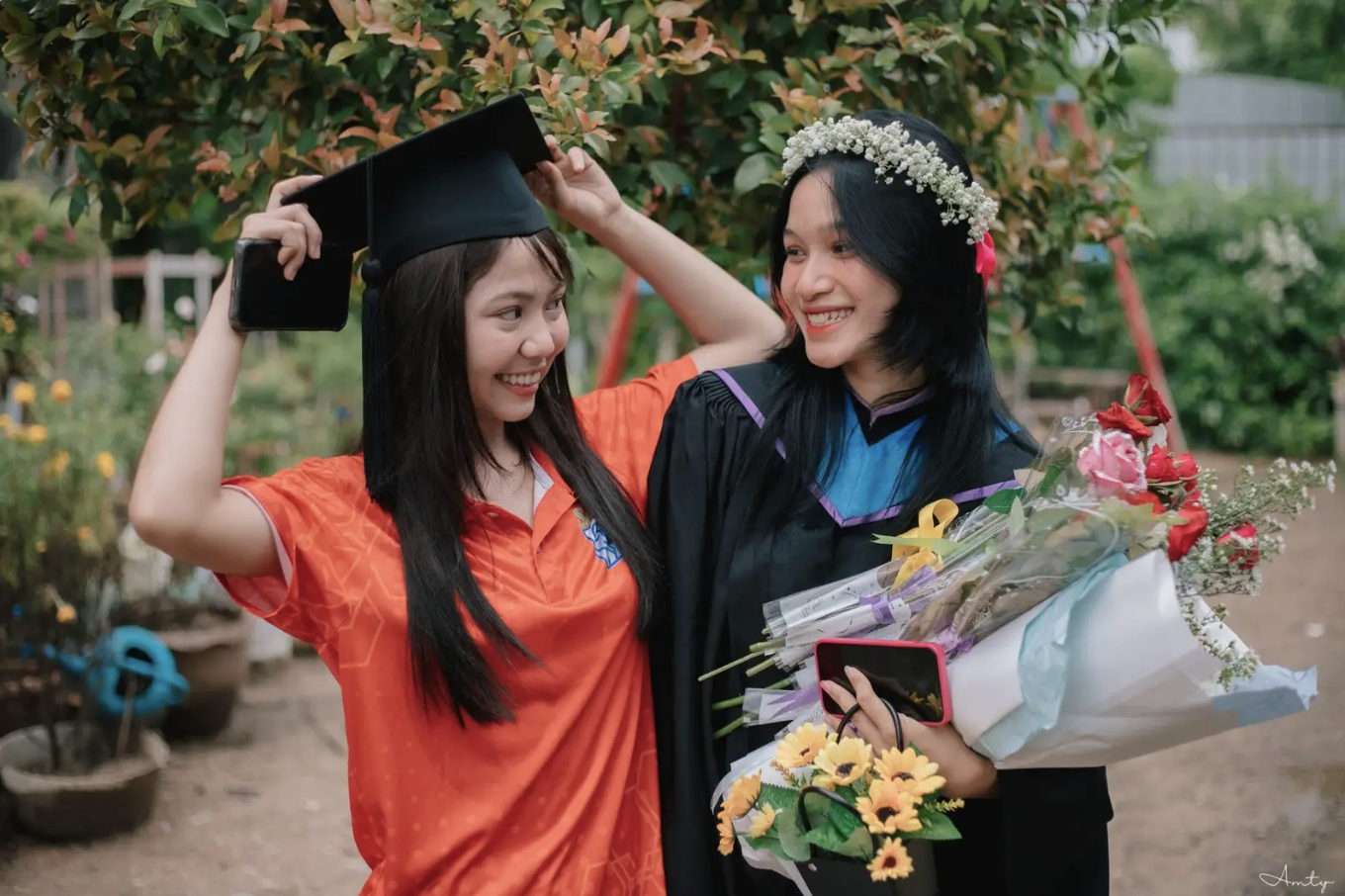
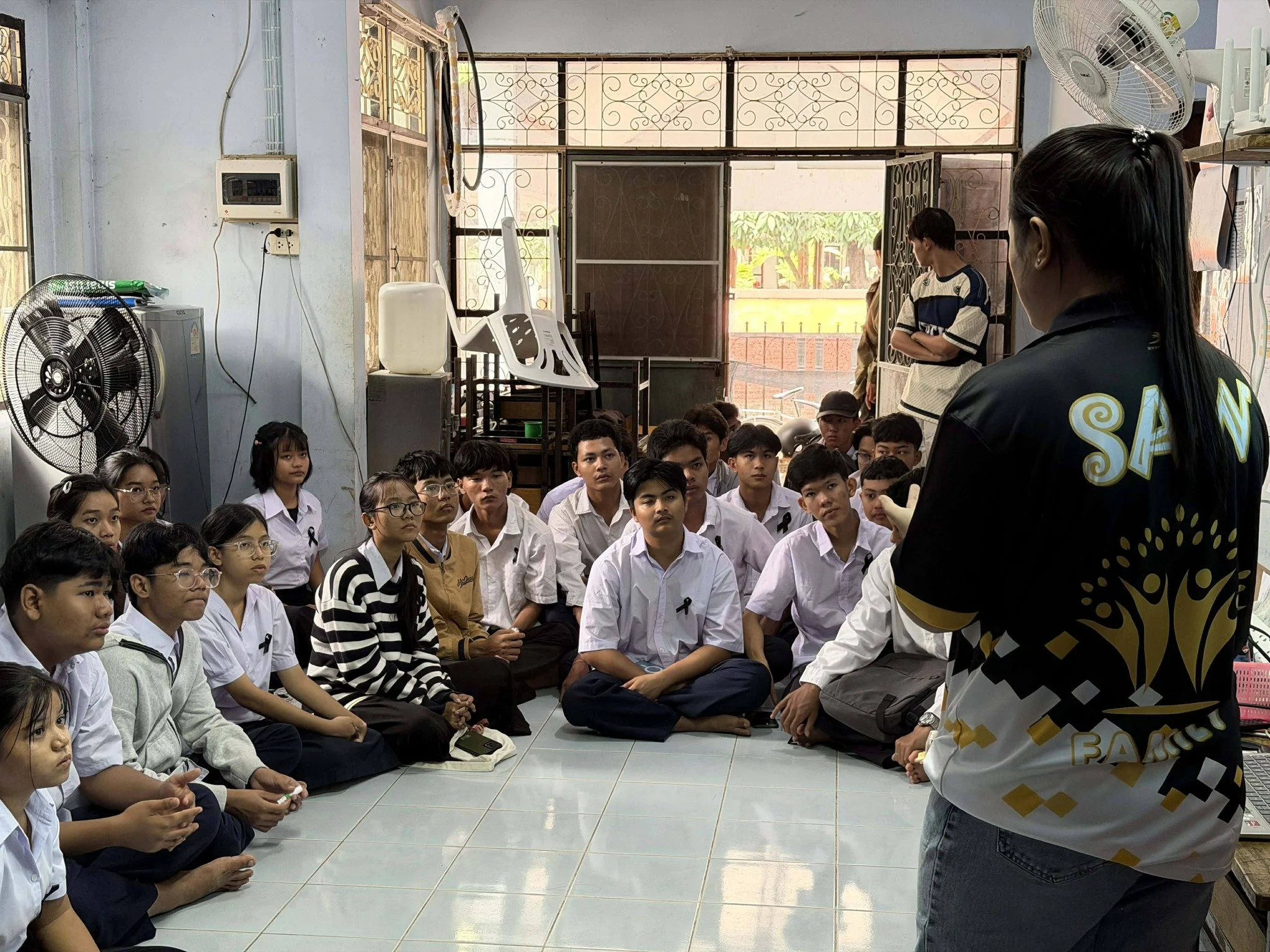
My connection to the Social Action for Women and Children (SAW) Foundation is very personal. The organization was started by my boyfriend's mother, whose lifelong dedication to displaced families has shaped its incredible legacy. Traveling to Thailand to see SAW’s work firsthand completely transformed my understanding of trauma and resilience. At the SAW Safe House, I expected to feel the heavy weight of the children’s difficult pasts. Instead, I found warmth, energy, and children who were truly happy, safe, and thriving. What stands out most to me about SAW is how they tackle the challenges of displacement from every angle, creating programs that help with both immediate and long-term needs. Their Community Health Outreach Program (CHOP) and Water, Sanitation, and Hygiene (WASH) projects bring dignity and preventive care to those who need it most. Their Mental Health and Psychosocial Supports (MHPSS) and Awareness programs give children the emotional support they need to heal from hardship.SAW also works to break the cycle of poverty by offering vocational training and income programs for women, helping whole families become independent. By providing ongoing education, from basic migrant schooling and the Higher Education Program (HEP) to college preparation, SAW not only protects these children but also gives them the tools to build bright futures.