
Men’s Shed Association
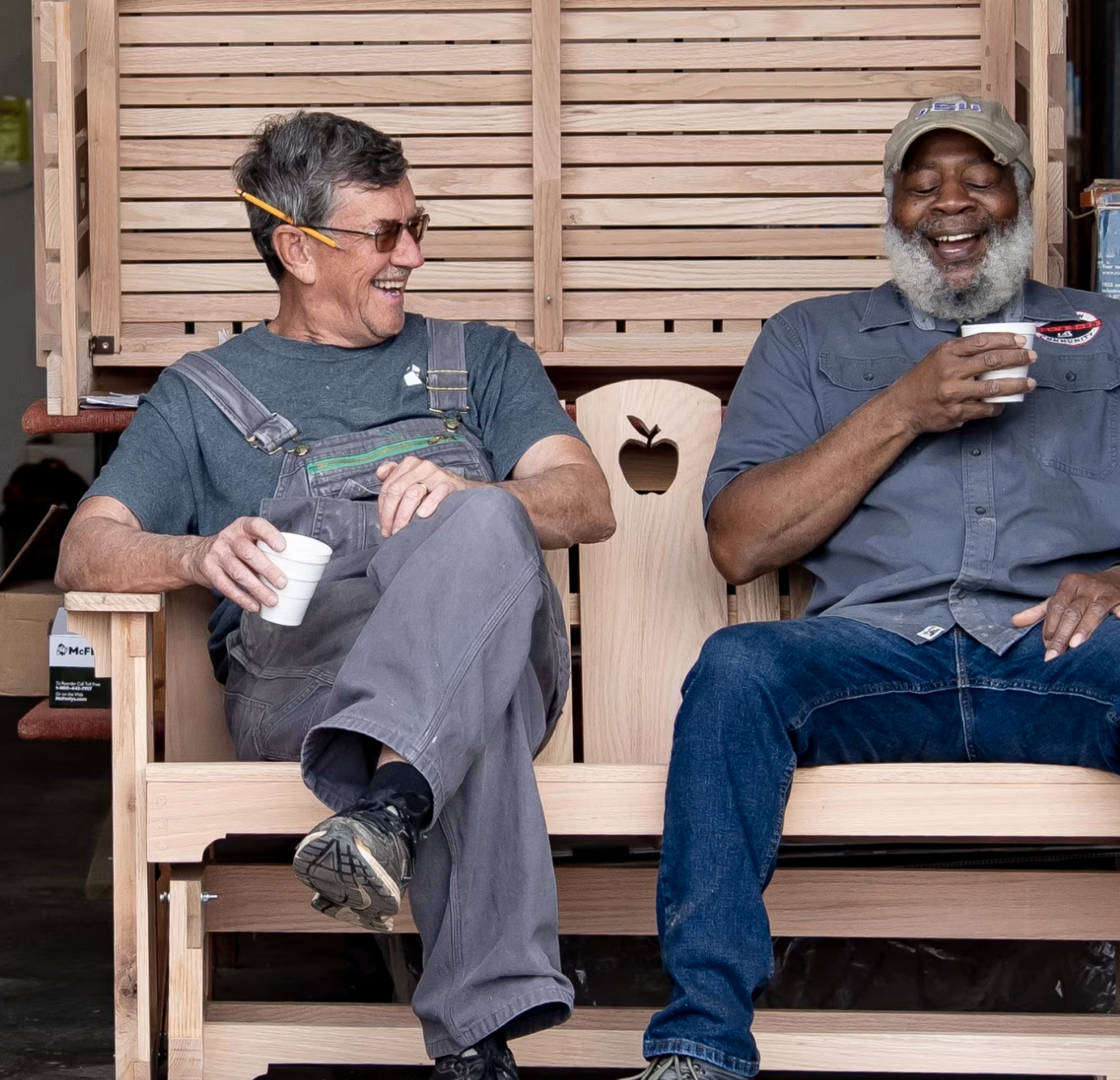
“Men don’t talk face to face, we talk SHOULDER TO SHOULDER”
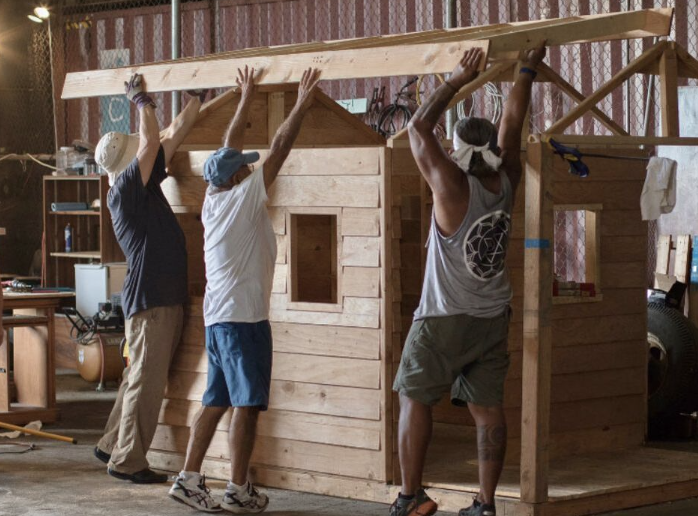
Their story
The Men’s Shed Association traces its roots to the late 1990s in Australia, born out of a profound realization that traditional health and community spaces were failing to engage older men. Recognizing that men rarely talk about their feelings "face-to-face" but will readily open up "shoulder-to-shoulder" while working on a project, the movement was built around the concept of a modernized backyard shed. It began as a grassroots effort to combat the devastating impacts of retirement, loneliness, and social isolation by providing a communal workshop where men could gather, tinker, and repair items. Officially expanding into national organizations like the US Men’s Sheds Association, the movement transformed a simple hobby space into a powerful, preventative public health initiative, giving men a renewed sense of purpose, community identity, and a safe environment to support one another's well-being.
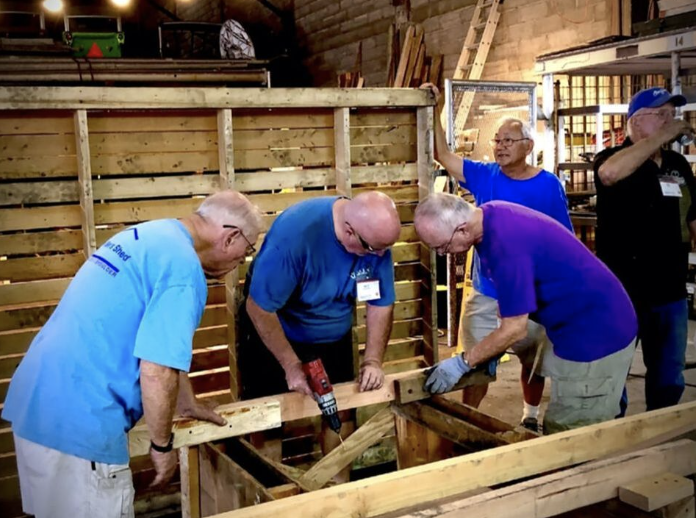
Driven by purpose
“In society, older adults are often a forgotten group. But they have so much creativity to share and need an outlet for it” —Melinda Hienz, PhD
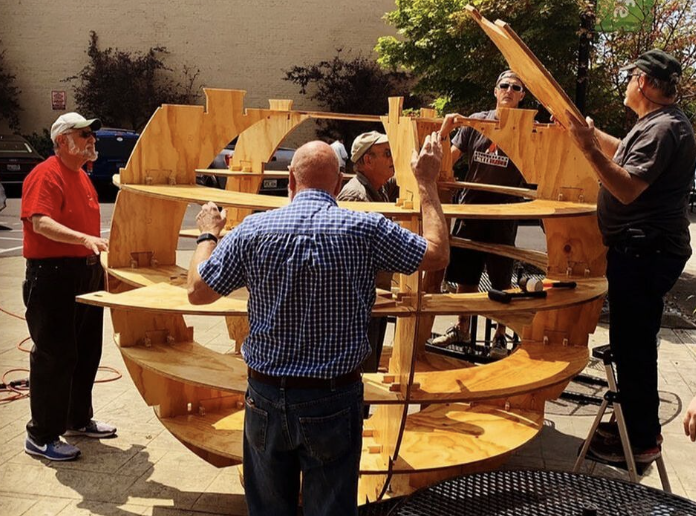
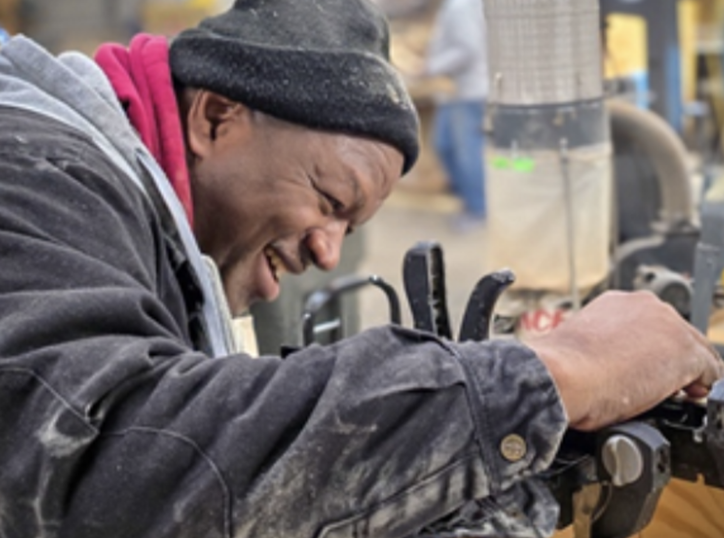

“I was bored. The Men’s Shed brings new friends, activities, meaning and excitement to our lives.”
—Steve Werner
“We have this kind of male pride thing,” said Mike Jenn, 70, ‘I can look after myself. I don’t need to talk to anyone,’ and it’s a complete fallacy. Not communicating helps to kill us.”
—Mike Jenn
“For me the Shed is a social anchor; great for sharing ideas, life experiences, making life decisions. It’s comfortable and reassuring to belong. “
—Steve T.
“I wish my father had had a Men’s Shed.”
—Phil Johnson
Why This Foundation Impacts Me
The US Men’s Sheds Association means a lot to me because it addresses a real need I have seen during my ten years working in geriatric and personal care. I have worked closely with older adults and have seen how men can be forgotten by society after they retire. They often lose not just their daily routines, but also their sense of who they are. Harmful stereotypes can make it hard for men to talk about depression, so we often miss the quiet sadness that can come when a man’s lifelong career ends. I believe it is essential for men after retirement to have a support system, a community, a new sense of purpose, and activities to keep them engaged. This organization feels especially important to me now as my own dad gets closer to retirement. I am very close to him and want to protect him. Thinking about him going through this stage of life is hard, but knowing there is an organization I would trust and want him to join shows how much this movement matters. The Men's Shed Association is more than just a place for hobbies. It builds a strong sense of brotherhood and makes sure older men are not left to face isolation on their own.