
Face It Foundation
“We empower men to recover from depression”
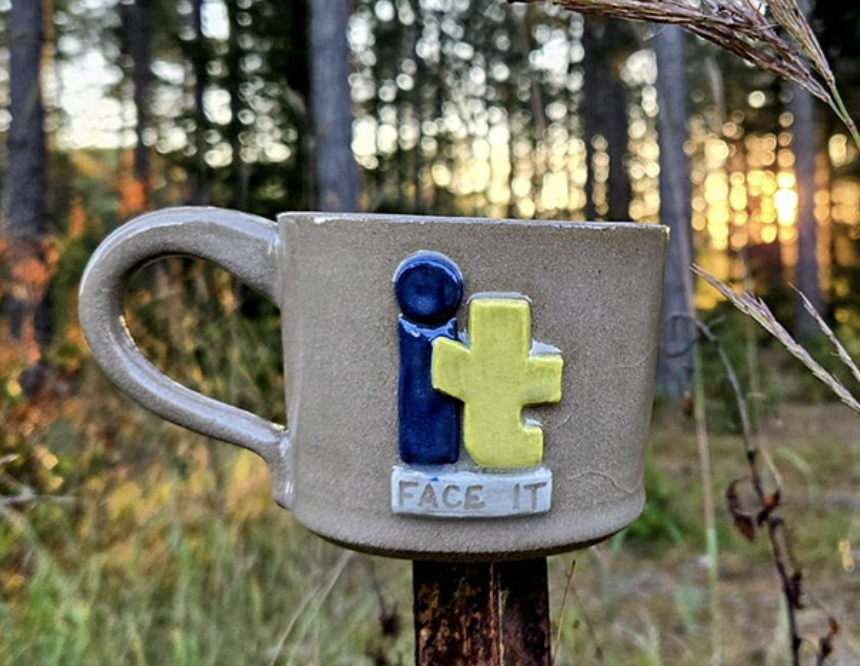
Their story
The Face It Foundation began after co-founder Mark Meier went through a difficult period with depression and survived a suicide attempt in 2007. He realized that many men struggle in silence because of stigma, so in 2009, he and his friend Bill Dehn started the foundation to offer the support Mark wished he had found. They believed that traditional therapy does not always work for men, so they built a peer-to-peer network to help men speak openly, challenge the idea that they have to handle everything alone, and create a safe community where men can face depression together.
Since the beginning…
The Face It Foundation has grown from a small local project into an important grassroots support network, reaching thousands of men who might have struggled alone. By offering all its programs for free, the foundation has connected with men who often avoid traditional mental health services. With countless hours of peer counseling, local support groups, and community events, Face It helps break the isolation that can lead to depression in men. The real impact shows in the lives saved and families supported, showing that when men have a safe, judgment-free place to open up, they can take charge of their recovery and rebuild their lives.
After being discharged from the hospital, I attended not one but two Face It groups. The fog of my depression started to lift. When I shared my story with the other guys from Face It, I came to realize that I am not the only man who has struggled.
—Dan
What I want other men to know is that recovery IS possible. It’s not easy. It takes great effort and consistency and support, but I know firsthand how that effort can pay off. They’re not alone in this fight. They shouldn’t be afraid to seek out support and talk about their challenges.
I had tried medicine and counseling over the years, and I would sometimes feel better for a while, but I didn’t make lasting changes until I came to Face It, shared my story, realized I was not alone, and got the tools I needed to get better.
— Mark
—Al
It’s the first time in my life that I have friends I can talk to about anything. I also feel good about myself because I can give back and try to help others.
—Greg
Face It helped me in many ways, whether it was a phone call to Mark or Bill, or a Tuesday night support group, or a personal visit to the office (on many occasions). Mark and Bill truly understand depression. Both the one-on-one and group support saved my life.
—Steve

Why They Impacted Me
The Face It Foundation stands out to me because it addresses a crucial but often overlooked issue in mental health: the deep isolation that drives male depression. In my work studying human behavior and the value of social connections, I have seen that traditional therapy by itself is not enough. People need a sense of community to truly heal. I chose Face It because their approach challenges the 'tough it out' stigma. Rather than focusing on clinical settings, they offer honest, peer-to-peer support built around everyday life. They do this through free weekly support groups, casual sports outings, monthly breakfasts, and intensive weekend retreats at their Northwoods property. This shows that the best way to fight despair is to create a safe, open space where people can relax, share experiences, and face their struggles together.